Best Welding Machines for Heavy Equipment Repair
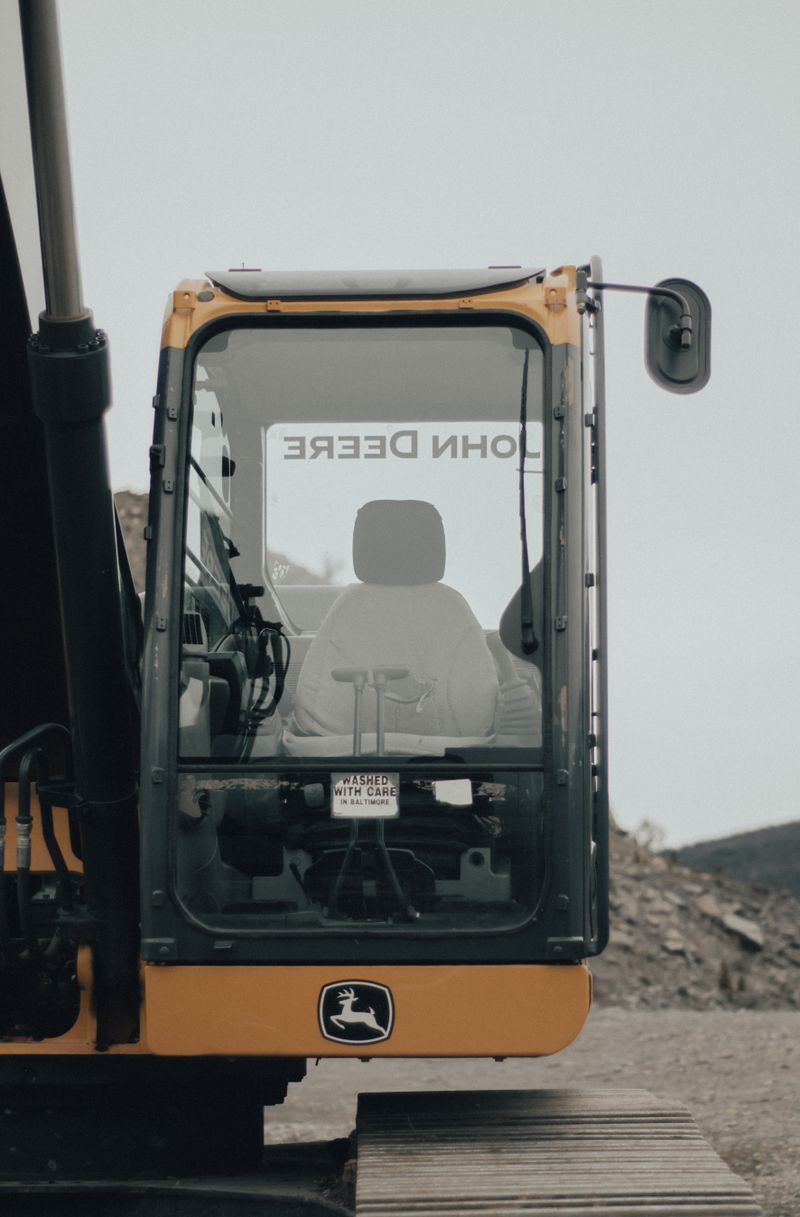
Welding heavy equipment is not the same as welding sheet metal or automotive work. Bucket lips are often 1-inch thick AR400 steel. Boom cracks occur in HSLA steel that may be 3/4 inch thick with paint and rust over it. Hardfacing rods require higher amperage than a small home MIG machine can sustain.
The right welding machine for equipment repair needs sufficient amperage, reliable duty cycle, and ideally the flexibility to run multiple processes — since stick (SMAW), MIG (GMAW), flux-core (FCAW), and sometimes TIG each have their place in a full-service equipment repair operation.
This guide covers the best welding machines for each application: field repair, shop repair, and combined operations.
Understanding Welding Processes for Equipment Repair
Stick (SMAW — Shielded Metal Arc Welding)
The most common welding process for field repairs. No external shielding gas required; the flux coating on the electrode produces its own shielding. Works outdoors and in drafty conditions. Excellent for thick material. The E7018 low-hydrogen electrode — the standard for structural steel repair — is a stick electrode.
Best for: Structural crack repair, field repairs without gas supply, hardfacing with electrode rods, welding contaminated or rusty surfaces.
MIG (GMAW — Gas Metal Arc Welding)
High deposition rate, easy to learn, clean welds. Requires external shielding gas (typically 75/25 Ar/CO2 for steel) and a clean, dry work environment. Not suitable for outdoor use in wind.
Best for: Shop repairs, bucket fabrication, high-volume structural welding in controlled environments.
Flux-Core (FCAW — Flux-Cored Arc Welding)
Similar equipment to MIG but uses a hollow wire with flux inside. Self-shielded FCAW (no gas required) works outdoors; dual-shielded FCAW (gas + flux) produces cleaner, stronger welds. Higher deposition rates than stick for comparable amperage.
Best for: Outdoor structural repairs, heavy plate work, high-deposition hardfacing.
TIG (GTAW — Gas Tungsten Arc Welding)
Precision process requiring high operator skill. Used when appearance and quality are paramount or when welding thin or exotic materials. Rarely the primary process for heavy equipment repair, but useful for cab components, hydraulic line brackets, and finishing work.
Category 1: Best Multi-Process Shop Welders
Lincoln Electric POWER MIG 260
The Power MIG 260 is a 250A, 220V MIG/FCAW welder that handles every common repair process with a single machine. It runs standard solid MIG wire, flux-core wire, and accepts a spool gun for aluminum work.
Why it’s ideal for equipment repair:
- 250A output handles 3/8” plate in a single pass with flux-core wire
- 40% duty cycle at 250A — sufficient for sustained hardfacing runs
- Brass-to-brass gun connection for reliable contact
- Wire drive system handles .035” to .045” wire, covering hardfacing and structural wire gauges
Best for: Shop welding on buckets, cutting edge replacement, frame repairs, and any work with consistent power.
Price range: $1,800–$2,200
Miller Multimatic 255
The Multimatic 255 is Miller’s premier multi-process machine — it runs MIG, flux-core, stick, and DC TIG from a single inverter platform. For an equipment repair shop that wants one machine to handle everything, this is an excellent choice.
Specifications:
- 250A output (MIG/FCAW), 220A (Stick/DC TIG)
- 40% duty cycle at 250A
- Auto-Set feature automatically suggests wire and amperage for a given material thickness
- Runs 1/8” E7018 for structural stick work; handles flux-core hardfacing wire
Best for: Shops doing mixed work — structural repairs, general fabrication, TIG work on hydraulic components and brackets.
Price range: $2,400–$2,900
Lincoln Electric Flextec 650X (Heavy Shop / Commercial)
For high-production equipment repair shops, the Flextec 650X provides 650A of output — enough to run large-diameter hardfacing wire and heavy structural stick electrodes simultaneously across multiple welding stations.
This is a professional-grade machine for shops that do significant repair volume on large machines (cranes, mining equipment, 40+ ton excavators).
Price range: $4,500–$7,000
Category 2: Best Engine-Driven Welders (Field Repair)
An engine-driven welder (welder/generator) is indispensable for field repairs where shore power isn’t available. These machines run off diesel or gasoline engines and produce both welding output and AC generator power for grinders, lights, and other tools.
Miller Big Blue 500X Air Pak
The Big Blue 500X is considered the gold standard for field equipment repair. It’s a 500A diesel-powered stick/TIG/FCAW machine with a built-in air compressor — enabling plasma cutting and pneumatic tool use from a single trailer-mounted unit.
Why equipment repair technicians choose it:
- 500A output handles 3/16” hardfacing rods on thick AR plate
- Built-in 30-CFM air compressor runs a plasma cutter or air carbon arc gouge
- 20kW generator output powers lights, grinders, and hydraulic press tools
- Kubota diesel engine; field-serviceable and parts are widely available
- Runs E7018 3/16” electrodes without hesitation at 200A+
Best for: Full-service field repair trucks, remote job sites, shops that also do significant field service.
Price range: $18,000–$25,000
Lincoln Electric Ranger 305D
The Ranger 305D is Lincoln’s most popular engine-driven welder for field service. It’s a 305A diesel-powered CC/CV machine that runs stick, MIG, flux-core, and DC TIG processes.
Key features:
- Perkins diesel engine — more fuel-efficient than comparable gas-powered units
- 305A output; handles 5/32” E7018 and 1/8” hardfacing rod comfortably
- 10.5kW AC generator output
- Reliable for sustained hardfacing runs on bucket teeth and cutting edges
Best for: Independent equipment technicians, contractor field trucks, smaller repair operations that need reliable all-day stick welding.
Price range: $8,500–$11,000
Lincoln Electric Bulldog 5500 (Entry Field Option)
For smaller operations or contractors who occasionally need field welding without the investment of a full diesel machine, the Bulldog 5500 is a gasoline-powered 225A stick welder/5,500W generator.
Limitations for equipment repair: 225A maximum limits you to 1/8” electrodes. Not suitable for heavy hardfacing work. Adequate for light structural repairs and tacking on skid steers and compact equipment.
Best for: Light field repairs, small contractor operations, backup units.
Price range: $1,800–$2,400
Category 3: Best Dedicated Stick Welders (Budget / Specialty)
Lincoln Electric AC/DC 225/125
The AC/DC 225/125 is the classic Lincoln tombstone — reliable, indestructible, and widely available. It runs E6013, E6011, and E7018 stick electrodes effectively up to 225A AC or 125A DC.
Limitation for equipment repair: DC output at only 125A limits it to 1/8” E7018 maximum. For heavy structural repair on thick plate, this is undersized. However, for lighter repairs — cutting edge tack-ups, minor crack repairs on smaller machines, bracket fabrication — it’s a dependable shop machine.
Best for: Entry-level shops, budget-constrained operations, secondary/backup stick machine.
Price range: $400–$600
Lincoln Electric Invertec V350-PRO
The V350-PRO is an industrial inverter-based CC/CV stick and MIG machine rated at 350A at 60% duty cycle. Its inverter design makes it far lighter than transformer-based machines at comparable output. Runs E7018 3/16” electrodes at full rated current continuously.
Best for: Shops that need heavy stick output but prefer a lighter, portable unit. Excellent for hardfacing electrode work where sustained high amperage is required.
Price range: $2,200–$2,800
Hardfacing-Specific Wire and Electrode Options
The welding machine is only half the equation. Hardfacing consumables matter enormously:
Lincoln Electric Lincore 60-O (Open Arc Flux-Core)
A self-shielded flux-core hardfacing wire for MIG-equipped machines. Used for rebuilding bucket lips, cutting edges, and other abrasion-wear surfaces. Produces a 58–62 HRC deposit.
Best used with: Lincoln Power MIG 260 or similar 250A+ MIG machines with .045” wire capability.
Why it’s preferred for field work: No external shielding gas required; works in windy conditions without porosity.
Stoody 965-G (Stick, Impact-Abrasion)
A premium manganese-based hardfacing stick electrode for bucket teeth, adapters, and crusher parts where impact resistance is needed alongside abrasion resistance. Can be applied to manganese steel base without significant preheat.
ESAB OK Weartrode 55 HD
A hard-facing stick electrode in the 55–60 HRC range for heavy abrasion. Deposits two-layer maximum; requires base coat on bare mild or low-alloy steel. Widely available through ESAB distributors and welding supply houses.
Power Requirements and Generator Sizing
Running a 250A MIG welder properly in the field requires adequate generator capacity. Under-powered generators cause:
- Voltage sag during welding (weak, cold welds)
- Reduced duty cycle
- Potential damage to the welder’s power supply
Rule of thumb: A 250A welder drawing 50V output requires ~12,500 watts at the secondary. Account for generator losses and run a minimum 20kW generator for sustained 250A MIG/FCAW welding. For a 300A+ stick machine, size up to 25–30kW.
Engine-driven welder/generators solve this problem by integrating the power source — the welding output is direct from the engine, not through an AC-to-DC inverter dependent on generator quality.
Selecting the Right Machine: Decision Guide
You need a field-deployable machine for remote repairs → Miller Big Blue 500X or Lincoln Ranger 305D
You have a shop with 220V power and do varied repair work → Lincoln Power MIG 260 or Miller Multimatic 255
You primarily run hardfacing electrodes on heavy AR plate → Lincoln Invertec V350-PRO or equivalent 300A+ stick machine
You do occasional light repairs and have a modest budget → Lincoln AC/DC 225/125 for stick; upgrade to Power MIG 260 when volume warrants
You run a high-production repair shop on large equipment → Lincoln Flextec 650X or Miller PipeWorx 400
Essential Accessories for Equipment Repair Welding
Electrodes and wire:
- Lincoln Excalibur 7018 MR (3/32” and 1/8” — keep in a rod oven; hydrogen pickup in open air reduces quality)
- Lincoln Lincore 60-O hardfacing wire (.045”, 25 lb spool)
- Stoody 965-G hardfacing stick (1/8” and 5/32”)
Safety:
- Lincoln Electric Viking 3350 Series Auto-Darkening Helmet — 4C lens clarity, fast switching speed; critical for hardfacing work where the arc is intermittent
- Lincoln Electric K3080-1 Engine Drive Welding Gloves — heavy-duty stick welding gloves; 14-inch gauntlet
- 3M Speedglas Respirator with Welding Hood — for hardfacing with chromium carbide electrodes; integrates with welding helmet
support equipment:
- Lincoln Electric K870 Electrode Oven (10-lb portable rod oven) — keeps E7018 electrodes below 50°F dew point; prevents hydrogen embrittlement in the weld
- Tempil Tempilstik 300°F and 400°F temperature sticks — essential for verifying preheat on AR and high-strength steel; inexpensive and accurate
Bottom Line
For a contractor or fleet shop that does regular heavy equipment repairs, the investment in the right welding machine pays for itself quickly in reduced downtime and eliminated repair bills. The Lincoln Power MIG 260 covers most shop work; the Miller Big Blue or Lincoln Ranger 305D handles field service. Neither is cheap — but neither is flying a machine to a dealer and waiting two weeks for a repair that could have been done on-site.
Choose a machine with enough amperage to run your hardfacing consumables at full current, a duty cycle that won’t force you to stop every five minutes, and a brand with strong local support for parts and service.

Ironworks Insider Editorial Team
Independent trade-focused editorial team