Bobcat vs. Kubota vs. CAT Skid Steers: Which Brand Is Right for You?
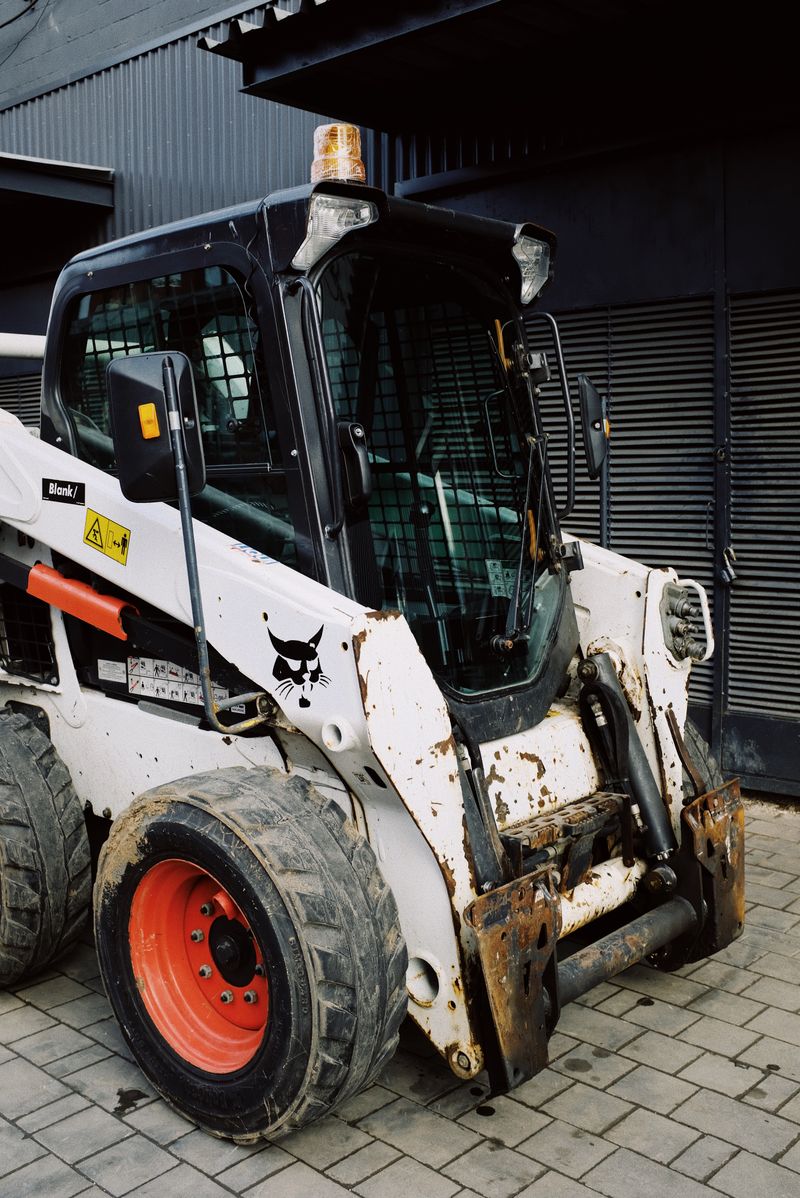
When it comes to buying a skid steer, three brands dominate the North American market for small-to-midsize operators: Bobcat, Kubota, and Caterpillar (CAT). Each has earned a loyal following through decades of production, dealer support, and machines that hold up under real-world punishment. But they are not identical — and choosing the wrong brand for your operation can cost you in serviceability, productivity, and resale value.
This comparison focuses on the 70–75 HP class, which represents the sweet spot for most contractors: capable enough for serious work, light enough for single-axle transport, and available in both standard and high-flow configurations.
The Machines We’re Comparing
| Brand | Model | HP | Operating Capacity | Operating Weight |
|---|---|---|---|---|
| Bobcat | S76 | 74 hp | 2,690 lbs | 7,483 lbs |
| Kubota | SSV75 | 74.3 hp | 2,690 lbs | 7,231 lbs |
| CAT | 262D3 | 74 hp | 2,700 lbs | 7,760 lbs |
All three compete in virtually the same performance bracket. The differences lie in how they’re built, how they operate, and what happens after the sale.
Build Quality and Durability
Bobcat S76
Bobcat has been building skid steers longer than any competitor — the company essentially invented the modern machine in the 1960s. That heritage shows in their manufacturing. The S76 features a one-piece lift arm design that reduces pivot points compared to multi-piece booms, and the frame is welded from high-strength steel with reinforced lift arm attachment points.
The Bob-Tach quick-attach system is Bobcat’s proprietary design. It is fast and reliable, but it uses a slightly different geometry than the universal ISO-style quick attach used by CAT and others. Bobcat-compatible attachments are widely available because Bobcat has the largest installed base in the country — but confirm attachment compatibility if you’re cross-shopping brands.
Bobcat’s hydraulic system is robust and well-proven. The optional high-flow system delivers up to 37.5 GPM, sufficient for demanding attachments. Serviceability is straightforward — access panels are well-designed, and most routine maintenance is owner-accessible.
Build quality rating: Excellent. Few complaints about frame cracking or premature wear at standard operating hours.
Kubota SSV75
Kubota is a relative newcomer to the skid steer market but brings deep manufacturing expertise from its tractor, excavator, and engine businesses. The SSV75 is built on a solid frame with sealed undercarriage components designed to keep contaminants out — an area where Kubota’s attention to detail is evident.
The SSV75 runs Kubota’s own V3307 diesel engine, which is one of the most reliable small diesel powerplants in the industry. Kubota’s engine quality is generally considered class-leading — these engines are known for exceptional longevity when maintained properly.
One notable feature is Kubota’s anti-stall system, which prevents hydraulic overload from killing the engine — the machine automatically manages power distribution to keep the engine running smoothly. This is particularly useful for new operators who may accidentally overload the system.
Build quality rating: Very good. The frame and structural components are solid. Sealed undercarriage is a standout feature for longevity.
CAT 262D3
Caterpillar builds machines to last in the harshest environments on earth. The 262D3 reflects that philosophy — it is heavier and more heavily built than equivalent Bobcat and Kubota models. The frame is thicker, the lift arm welds are more substantial, and the overall structure feels more robust under load.
CAT’s positive-flow hydraulic system is considered among the smoothest in the class. The system is electronically controlled and responds predictably, making the machine easier to operate precisely — a benefit both for beginners and for operators doing finish work.
The 262D3 uses the standard ISO-style quick attach plate, ensuring broad compatibility with third-party attachments. CAT’s optional high-flow system delivers up to 40 GPM, one of the highest outputs in the class.
Build quality rating: Excellent. Arguably the most robustly built machine in this comparison, which contributes to its higher weight and purchase price.
Operator Comfort and Cab Features
Bobcat S76
Bobcat’s cab design has improved substantially in recent model years. The vertical lift path of the S76’s boom gives excellent bucket curl-back clearance when working at height, and forward visibility from the seat is good.
The PowerBob controls (Bobcat’s ISO joystick system) are smooth and responsive. The cab features:
- 7” touchscreen display with machine diagnostics, load monitoring, and settings
- Optional heated seat
- Optional pressurized cab with HVAC
- Rear camera standard on most configurations
- Keyless entry and machine security with PIN system
Noise levels inside the cab are moderate — not the quietest in the class but acceptable for all-day operation.
Kubota SSV75
Kubota is consistently praised for operator comfort, drawing on its agricultural machinery DNA where operators often spend entire days in the seat. The SSV75 features:
- Larger cab interior than Bobcat or CAT in this class (noticeably more shoulder room)
- Standard fully adjustable high-back suspension seat
- 7” color touchscreen with intuitive interface
- Auto-idle and auto-shutdown to reduce fuel consumption and engine wear
- Excellent visibility — particularly rearward, where many skid steers are weak
- Foot throttle option in addition to hand throttle
- Low cab noise levels — Kubota’s engine isolation is notably effective
For operators who spend long days in the machine, the Kubota’s cab ergonomics are a genuine competitive advantage.
CAT 262D3
CAT’s cab is premium-feeling — robust materials, well-designed switch layout, and a comfortable seat. The D3 generation brought significant comfort improvements over prior models:
- 8” touchscreen with integrated machine management system
- Optional Cat Grade with Slope Assist — displays real-time slope data for grading work
- Keypad start with operator ID tracking
- Automatic ride control — smooths bucket movement during travel to reduce spillage
- Standard rearview camera
- Optional premium HVAC with pressurized cab
CAT’s seat suspension and noise isolation are both strong. The cab is slightly tighter than Kubota’s but not cramped for most operators.
Comfort winner: Kubota for raw interior space and long-shift ergonomics. CAT for technology features.
Hydraulic Performance
| Brand | Standard Flow | High Flow | Max Pressure |
|---|---|---|---|
| Bobcat S76 | 23.6 GPM | 37.5 GPM | 3,600 PSI |
| Kubota SSV75 | 21.7 GPM | 31.0 GPM | 3,500 PSI |
| CAT 262D3 | 24.0 GPM | 40.0 GPM | 3,500 PSI |
The CAT 262D3 leads on high-flow output at 40 GPM, which matters for the most demanding attachments (large brush cutters, cold planers, commercial snow blowers). Bobcat’s 37.5 GPM is very close. Kubota’s 31 GPM high-flow is adequate for most standard high-flow attachments but falls short for the absolute highest-demand tools.
All three machines have smooth, well-calibrated hydraulic response. CAT’s electronically managed positive-flow system is particularly praised for predictable, proportional control. Bobcat and Kubota use pilot-controlled systems that are also very good but may feel slightly less linear to operators coming from larger excavator-type machines.
Attachment Compatibility
All three machines can run the full range of skid steer attachments available in the market. However, there is a nuance:
- CAT and Kubota use the standard ISO-style quick attach plate — the most universally compatible design
- Bobcat uses the Bob-Tach system, which has a slightly different plate geometry
Bobcat’s plate is slightly more curved than the flat ISO plate. Most attachment manufacturers produce Bob-Tach versions of their products because Bobcat has such a large installed base. However, if you’re buying used attachments or sourcing from smaller manufacturers, confirm Bob-Tach compatibility.
If attachment flexibility is a priority and you already own a collection of non-Bobcat attachments: CAT or Kubota may be the simpler choice.
Dealer Network and Parts Availability
This is one of the most practically important factors in your buying decision — and it varies significantly by geography.
Bobcat
Bobcat has the largest dealer network in North America for compact equipment. In most markets, there are multiple Bobcat dealers within a reasonable distance. Parts availability is excellent — most common parts are stocked locally, and Bobcat’s parts distribution is fast. Bobcat dealers also tend to have strong rental fleets, which can supplement your owned machine during peak season.
Kubota
Kubota’s dealer network has expanded aggressively over the past decade, and in most metropolitan and agricultural markets, coverage is good. However, in rural or remote areas, Kubota dealers can be sparse. Parts availability is generally good but occasionally lags behind Bobcat for older machine components. Kubota’s dealer service quality is generally high.
CAT
Caterpillar’s dealer network is global and well-funded, but CAT dealers primarily serve large construction and mining operations — skid steers are not always the focus. In urban and large construction markets, CAT dealer support is excellent. In rural or smaller markets, CAT dealers may be less familiar with compact equipment service or have limited parts stock for the 262D3.
Parts pricing: CAT OEM parts are generally the most expensive of the three. Bobcat and Kubota parts are competitive with each other.
Dealer network winner: Bobcat for most North American markets. CAT for large urban construction markets.
Technology and Telematics
All three brands now offer telematics systems for remote fleet monitoring:
- Bobcat: Bobcat Machine IQ — tracks location, hours, fault codes, and fuel levels; accessible via smartphone app
- Kubota: Kubota Precision Technology — similar remote monitoring capabilities; part of the broader Kubota fleet management ecosystem
- CAT: Cat Product Link — industry-leading telematics platform; integrates with VisionLink for fleet management; most feature-rich for operators managing multiple machines
For single-machine owner-operators, the telematics differences are minor. For fleet managers running multiple units, CAT’s VisionLink platform is more powerful and integrates with other CAT equipment seamlessly.
Resale Value
Resale value is driven by brand demand, parts availability, and perceived build quality. In the skid steer market:
- Bobcat historically holds the strongest resale values in most markets due to name recognition and the largest buyer pool
- CAT holds very strong resale, especially for well-maintained machines; lower volume than Bobcat but strong demand from commercial buyers
- Kubota resale has improved as the brand establishes its track record in the skid steer segment; still slightly behind Bobcat and CAT in most markets
Rule of thumb: A 5-year-old, 1,500-hour Bobcat or CAT will typically command 50–65% of original MSRP. An equivalent Kubota may bring 45–60%.
Price Comparison (New, 2026)
| Brand | Model | Base MSRP (approx.) | Fully Optioned (approx.) |
|---|---|---|---|
| Bobcat | S76 | $48,000–$52,000 | $58,000–$65,000 |
| Kubota | SSV75 | $44,000–$48,000 | $54,000–$60,000 |
| CAT | 262D3 | $50,000–$56,000 | $62,000–$72,000 |
Kubota offers the most competitive entry price in this comparison. CAT commands a premium, largely justified by build mass and technology options. Bobcat sits in the middle.
Note: All three manufacturers offer 0% financing promotions periodically. Check current dealer offers before comparing sticker prices.
Overall Comparison Summary
| Category | Bobcat S76 | Kubota SSV75 | CAT 262D3 |
|---|---|---|---|
| Build quality | Excellent | Very good | Excellent |
| Operator comfort | Good | Excellent | Very good |
| Hydraulic performance | Very good | Good | Excellent |
| Attachment compatibility | Good (Bob-Tach) | Excellent (ISO) | Excellent (ISO) |
| Dealer network | Excellent | Good | Good |
| Technology | Very good | Good | Excellent |
| Resale value | Excellent | Good | Very good |
| Entry price | Mid | Lowest | Highest |
| Best for | Most operators | Comfort/value | High-demand work |
Who Should Buy Which Machine
Buy the Bobcat S76 if:
- Dealer proximity and parts availability are your top concern
- You want the best resale value with the largest buyer pool
- You already own Bobcat Bob-Tach compatible attachments
- You want a proven, widely supported machine
Buy the Kubota SSV75 if:
- Operator comfort is a priority (long days in the seat)
- Budget is a constraint and you want the best value at entry price
- You have a strong local Kubota dealer
- You prioritize engine longevity and reliability
Buy the CAT 262D3 if:
- You need maximum hydraulic flow for demanding attachments
- Technology features and fleet management matter to your operation
- You work in a market with a strong CAT dealer
- Build mass and long-term durability are the priority over price
Recommended Accessories for Any Brand
- Grease gun: Lincoln Industrial 1162 Grease Gun — keep it on the machine
- Multi-purpose grease: Lucas Oil Red N Tacky — compatible with all three brands
- Hydraulic hose repair kit: Parker Push-Lok Hose Repair Kit — for field repairs
- Operator manual holder: Waterproof cab document case — keep the manual inside the cab, not in the shop
- Machine cover/tarp: AmazonBasics Heavy Duty Tarp — protect your investment when stored outside
Final Verdict
All three machines are excellent products that will serve a well-run operation reliably for thousands of hours. None of them is a bad choice.
If forced to pick a single recommendation for the majority of operators reading this: the Bobcat S76 earns its market-leading position through the combination of dealer support, parts availability, resale value, and proven performance. The ecosystem advantage is real.
The Kubota SSV75 is the best value play and the right answer for operators who will spend long days in the machine or who have a strong local Kubota dealer.
The CAT 262D3 is the machine to buy if you need top-shelf hydraulic performance, plan to keep it for a long time, or are already in the CAT ecosystem with other machines.
Test drive all three at your local dealers before writing the check. The feel of the machine under your hands matters — and you may find one fits your style in a way that overrides every spec comparison.

Ironworks Insider Editorial Team
Independent trade-focused editorial team