Bobcat vs. Kubota vs. Cat Skid Steers: 2026 Comparison
Quick answer
The Cat 260 has the highest published base rated operating capacity in this comparison, the Bobcat S76-2 combines a 2,900-pound rating with the lowest listed operating weight, and the Kubota SSV75 remains a straightforward 74.3-hp option with a slide-up front door. The right choice depends on attachment requirements, configured transport weight, controls, and the quality of your local dealer.
Common questions
- What replaced the Cat 262D3 skid steer?
- Caterpillar compares the next-generation Cat 260 directly with the 262D3 and reports higher lift height, breakout force, and rated operating capacity. This guide therefore uses the current Cat 260 in the three-brand comparison.
- Which skid steer has the most hydraulic flow?
- In the manufacturer specifications reviewed, the Cat 260 reaches 34 gpm with High Flow XPS, while the Bobcat S76-2 lists 30.3 gpm high flow and the Kubota SSV75 lists 30.4 gpm. Pressure, case drain, couplers, and electrical controls must also match the attachment.
- Should dealer support outweigh brand preference?
- Often, yes. Parts availability, service response time, loaner or rental support, technician familiarity, and travel distance can affect uptime more than a small difference in published specifications.
Source note: Current U.S. manufacturer specifications and feature pages were reviewed on August 11, 2026. Configurations affect weight, capacity, hydraulics, and price. Ironworks Insider did not conduct hands-on testing of these machines.
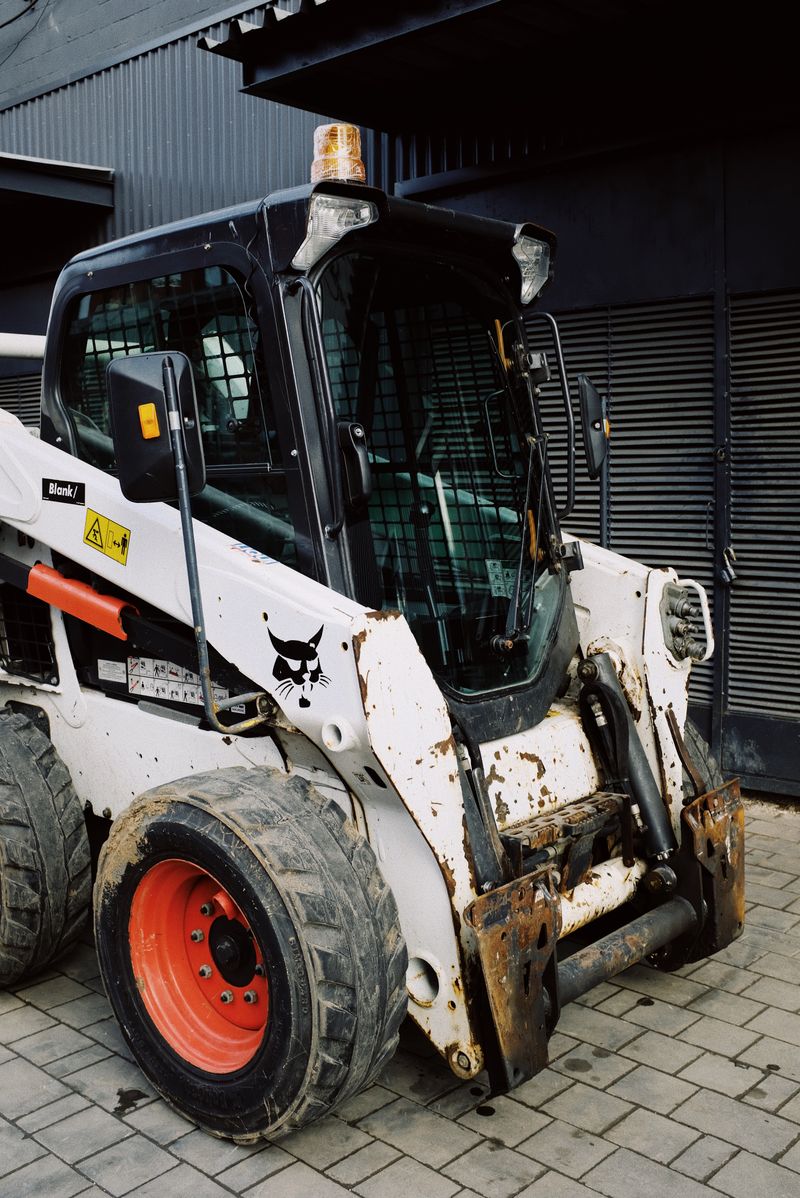
For a current 74-hp-class skid steer, the decision is not simply “Bobcat, Kubota, or Cat.” Choose the machine that runs your attachments, stays within your transport limits, fits the operator, and has dependable local service. Published specifications narrow the field; a configured quote and jobsite demonstration should decide it.
This update compares the Bobcat S76-2, Kubota SSV75, and Cat 260. The URL retains the older 262D3 name, but Caterpillar now positions the next-generation 260 against that model. Bobcat also lists the original S76 as non-current and directs buyers to the S76-2.
Quick comparison: S76-2 vs. SSV75 vs. Cat 260
| Published specification | Bobcat S76-2 | Kubota SSV75 | Cat 260 |
|---|---|---|---|
| Gross/advertised power | 74 hp | 74.3 hp | 74 hp |
| Rated operating capacity, base | 2,900 lb | 2,690 lb | 3,160 lb |
| Operating weight | 8,014 lb | 8,157 lb open cab / 8,422 lb closed cab | 8,523 lb |
| Standard auxiliary/loader flow | 23.3 gpm | 20.9 gpm | 20 gpm |
| High-flow maximum | 30.3 gpm | 30.4 gpm | 30 gpm high flow / 34 gpm High Flow XPS |
| Published hydraulic pressure | 3,500 psi | 3,271 psi | 3,500 psi high flow / 4,061 psi XPS |
| Lift path | Vertical | Vertical | Vertical |
Important: These are manufacturer-published U.S. figures, not results from one standardized Ironworks Insider test. Weight bases and installed equipment differ. Ask each dealer for a configuration sheet showing the exact machine, tires, coupler, cab, counterweights, and bucket.
Decision summary by job requirement
| Priority | Start with | What to verify before choosing |
|---|---|---|
| Highest base rated operating capacity here | Cat 260 | Required counterweight, stability, bucket, and actual lift chart for the load |
| Lower published operating weight with 2,900-lb capacity | Bobcat S76-2 | Finished machine weight, trailer payload, axle ratings, and tie-down plan |
| Slide-up front door and familiar Kubota platform | Kubota SSV75 | Cab package, operator fit, control choice, and nearby service capability |
| Highest published auxiliary output here | Cat 260 with XPS | Attachment flow range, pressure limit, case drain, cooling, and electrical harness |
| Existing fleet or attachment ecosystem | Matching local brand may win | Coupler fit, hydraulic fittings, control connector, telematics, parts, and training |
If the work is mostly on soft, muddy, or steep ground, pause the brand comparison and read skid steer vs. compact track loader. Tires and tracks change the operating decision more than a badge.
Why the Cat model changed from 262D3 to 260
Caterpillar’s next-generation launch material compares the Cat 260 directly with the 262D3. Cat reports that the 260 has seven inches more maximum lift height, a 17% increase in rated operating capacity, and higher tilt and lift breakout forces than the 262D3.
The current Cat 260 page lists 74 hp, a 3,160-pound base rated operating capacity, and an 8,523-pound operating weight. That makes the 260 the appropriate current-model reference for a new-machine comparison. A used buyer can still evaluate a 262D3, but should use that machine’s serial-number-specific records, configuration, and inspection results instead of treating new 260 specifications as interchangeable.
Bobcat S76-2: balanced capacity and standard flow
Bobcat’s current U.S. page lists the S76-2 at 74 hp, 2,900 pounds rated operating capacity, and 8,014 pounds operating weight. Its standard auxiliary flow of 23.3 gpm is the highest standard-flow figure in this three-machine table. Optional high flow reaches 30.3 gpm.
The S76-2 is a logical first demonstration when:
- Your attachments fit within its published flow and pressure envelope
- Configured transport weight is a major constraint
- You already operate compatible Bobcat machines or controls
- Your local Bobcat dealer can document acceptable service and parts response
Bobcat lists selectable joystick controls as an option and two-speed travel as standard on this model. Package content can change, so compare the actual build sheet rather than assuming every S76-2 on a lot has the same controls or technology.
Kubota SSV75: straightforward specs and a slide-up door
Kubota’s current SSV75 material lists a 74.3-hp engine, 2,690-pound rated operating capacity, 20.9-gpm standard auxiliary flow, and 30.4-gpm optional high flow. Published operating weight is 8,157 pounds with an open cab or 8,422 pounds with a closed cab.
Kubota highlights a slide-up front-entry door that can be opened without the swing clearance required by a conventional front door. That may be useful when an attachment position limits door movement, but it does not change safe-entry rules: lower the lift arms and attachment, stop the engine, and follow the operator manual before leaving the seat.
Put the SSV75 high on the list when:
- The door arrangement and cab fit suit the operator
- Its hydraulic limits cover every planned attachment
- A nearby Kubota construction-equipment dealer supports the model
- The written quote is competitive after cab, coupler, controls, tires, and high flow are added
Cat 260: capacity and an XPS hydraulic option
The Cat 260 carries the highest published base rated operating capacity in this comparison at 3,160 pounds. Cat lists three hydraulic levels: 20 gpm standard flow, 30 gpm high flow, and 34 gpm High Flow XPS. XPS also raises the published maximum pressure to 4,061 psi.
Those figures make the Cat worth evaluating for demanding hydraulic tools, but more flow is not automatically better. An attachment must accept the machine’s flow and pressure, and it may require a case-drain line, specific couplers, an electrical connector, or software integration. Review the attachment manual and machine configuration together.
The Cat 260 is a strong starting point when:
- Base lift capacity is central to the work plan
- A high-demand attachment is approved for the XPS circuit
- Your fleet already uses Cat service, telematics, or work tools
- The added configured weight fits the trailer and tow vehicle
Read high-flow vs. standard-flow skid steers before paying for a hydraulic package your attachments cannot use.
Attachment compatibility: check more than the plate
Do not assume an attachment is compatible because the mounting plate appears to connect. Verify all of the following:
- Mechanical quick-coupler interface and locking engagement
- Attachment weight and load-center effect
- Required flow range and maximum pressure
- Case-drain requirement and return-line arrangement
- Hose length, routing, and coupler size
- Electrical connector and control functions
- Carrier operating-capacity and stability limits
- Manufacturer approval for the exact carrier and attachment combination
Our skid steer attachments guide explains buckets, forks, augers, breakers, planers, and brush cutters. If tires are the limiting factor, use the skid steer tire guide to compare pneumatic, foam-filled, and solid options.
Dealer support and ownership cost
No national brand ranking can tell you which local branch will get a hose, sensor, or technician to your machine first. Ask each dealer the same questions and record the answers:
- Which routine parts are stocked locally for this exact model?
- What is the current shop lead time and field-service callout rate?
- Is rental or loaner support available during a covered repair?
- Who services the engine, emissions system, controls, and telematics?
- What warranty applies to the quoted configuration and intended use?
- What maintenance intervals and fluids appear in the current manual?
- Can the dealer demonstrate your highest-demand attachment?
Remove the old article’s broad price and resale percentages from your decision. New-machine pricing changes with region, options, freight, promotions, and dealer inventory; resale varies with hours, condition, records, and local demand. Use written out-the-door quotes and recent comparable sales. The equipment ownership cost calculator and rent-vs.-buy guide keep those assumptions visible.
Seven-step dealer demo checklist
- Send the attachment list first. Include model numbers, flow, pressure, case drain, couplers, and electrical needs.
- Request configured numbers. Get actual operating weight, rated capacity, counterweights, tire package, bucket, and dimensions in writing.
- Check transport. Verify trailer payload, gross vehicle and axle ratings, tow-vehicle limits, load distribution, and securement points.
- Fit the operator. Test entry, visibility, seat and armrest range, control pattern, pedal effort, display readability, and emergency-exit procedure.
- Run realistic cycles. Use the intended bucket or attachment to assess response, visibility, lift height, dump reach, and heat management.
- Inspect service access. Locate filters, fluid checks, grease points, battery access, lift-arm support, and daily inspection items.
- Compare uptime support. Put warranty, service rate, travel charge, parts availability, training, and backup rental terms beside the purchase price.
Manufacturer sources and scope
This comparison uses current published specifications and does not claim hands-on testing. Sources reviewed August 11, 2026:
- Bobcat S76-2 product and specifications page
- Kubota SSV75 specification sheet
- Kubota SSV Series product page
- Cat 260 product and specifications page
- Caterpillar next-generation skid steer announcement
Final choice
Choose the Cat 260 when its extra published capacity or XPS circuit solves a verified job requirement. Choose the Bobcat S76-2 when its capacity-to-weight combination, controls, and local support fit the operation. Choose the Kubota SSV75 when its door design, straightforward configuration, dealer, and total quote are the best match.
Then make the decision on evidence: run the actual attachment, confirm transport weight, price the ownership plan, and get service expectations in writing. A small specification advantage cannot recover days lost to an incompatible tool or unavailable repair.

Ironworks Insider Editorial Team
Independent trade-focused editorial team