Construction Light Tower Buying Guide: Diesel, Solar, and Battery
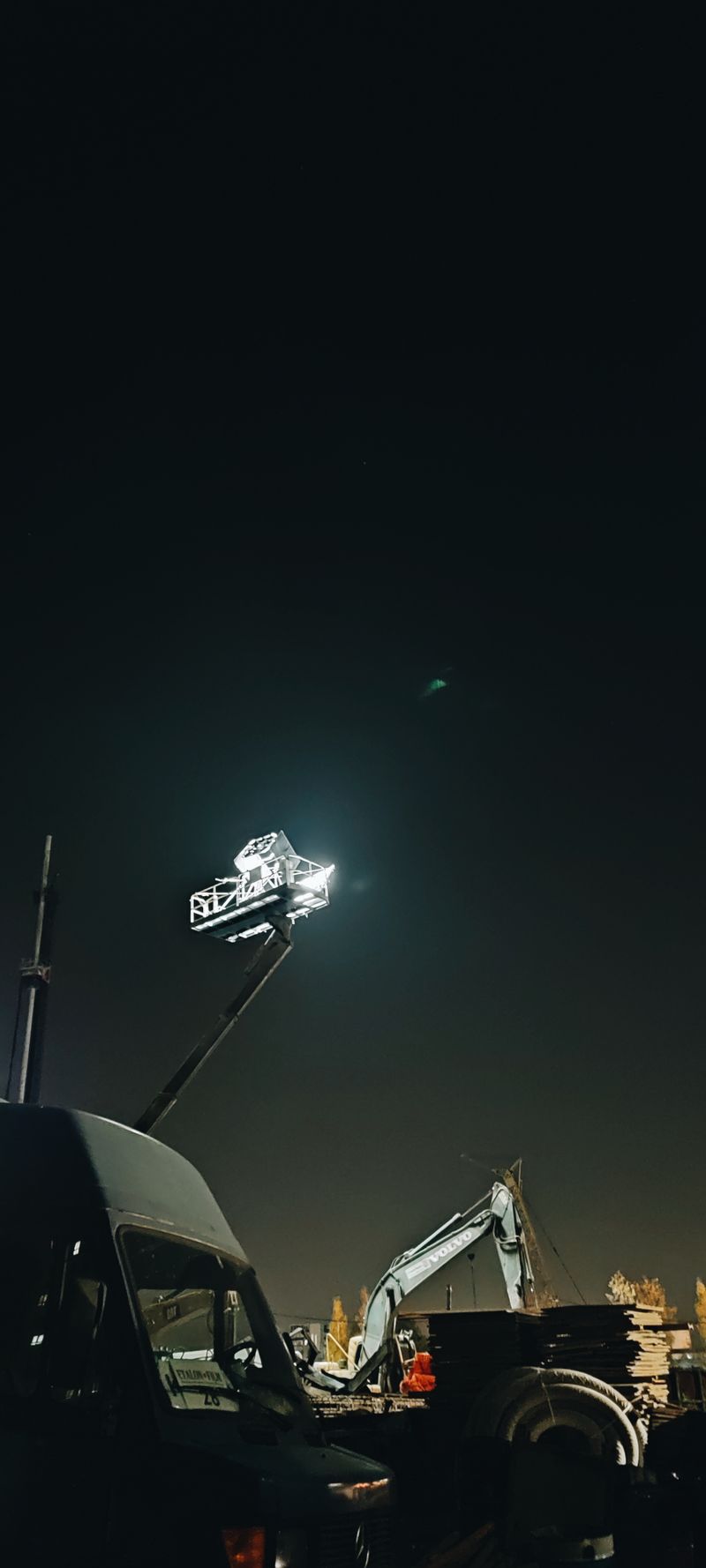
Night work can keep a project on schedule, reduce daytime traffic disruption, and improve site security after hours. It can also create serious risk if the lighting is underpowered, poorly aimed, or impossible to keep running through a full shift.
A construction light tower looks simple: a mast, several lamp heads, and a power source. In practice, the right choice affects worker safety, fuel cost, noise, emissions, rental spend, and productivity. A tower that is perfect for a remote highway job may be the wrong choice for an indoor renovation, a hospital project, or a long-term urban site with strict emissions targets.
This guide covers how to choose a construction light tower by power type, light output, coverage area, runtime, and jobsite conditions.
What a Construction Light Tower Needs to Do
A good temporary lighting setup should do five things well:
- Meet the required illumination level for the task
- Spread light evenly without deep shadows, glare, or blind spots
- Run through the shift without constant refueling or recharging
- Stay stable in wind and uneven ground with the mast raised
- Fit site logistics for towing, storage, refueling, and maintenance
The most common mistake is shopping by lumens alone. Lumens tell you how much light the fixture produces, but they do not tell you how that light lands on the work surface. Mast height, beam pattern, fixture angle, overlap between towers, weather, dust, and equipment shadows all affect usable light.
For safety-critical work, plan the lighting layout first and verify it with a foot-candle meter once the towers are positioned.
Start With OSHA Lighting Minimums
For U.S. construction sites, OSHA 29 CFR 1926.56 sets minimum illumination levels for work in progress. These are legal minimums, not necessarily best-practice targets for complex night work.
| Area or operation | OSHA minimum |
|---|---|
| Concrete placement, excavation areas, accessways, loading platforms, refueling, field maintenance | 3 foot-candles |
| General construction area lighting | 5 foot-candles |
| Warehouses, corridors, hallways, exitways | 5 foot-candles |
| General construction plants and shops | 10 foot-candles |
| First aid stations, infirmaries, and offices | 30 foot-candles |
One foot-candle equals one lumen per square foot at the work surface. In the field, however, you lose light to fixture angle, distance, overlap, shadows, and dirty lenses. That is why a tower rated for a large theoretical area may need to be moved closer or paired with another tower for precise work.
For night paving, trench work, crane support, steel erection, concrete finishing, or traffic-adjacent work, aim above the bare minimum and measure the actual working surface.
LED vs. Metal Halide
Most new rental and purchase decisions now favor LED light towers, but metal halide units are still common in older rental fleets and used equipment listings.
| Light type | Best use | Strengths | Drawbacks |
|---|---|---|---|
| LED | Most construction sites | Efficient, instant-on, lower fuel use, long lamp life, good control | Higher upfront cost than older used towers |
| Metal halide | Older fleets, broad flood lighting | Very bright, familiar, inexpensive used units | Warm-up time, more wattage, more bulb maintenance, poor restart after shutdown |
LED fixtures produce useful jobsite lighting with far less wattage than older metal halide lamps. That matters because every watt has to come from a diesel generator, battery pack, solar array, or grid connection. Lower wattage often means lower fuel burn, smaller generator requirements, longer battery runtime, and less maintenance.
Metal halide can still make sense when buying a cheap used tower for occasional work. For regular night operations, LED is usually the better long-term value.
Power Types Explained
Diesel Light Towers
Diesel towers are the default choice for remote outdoor construction. A typical towable diesel tower uses a small Tier 4 diesel engine and generator to power four LED or metal halide fixtures. Many units also provide 120V or 240V outlets for small tools, chargers, pumps, or jobsite electronics.
They are best for remote jobs, highway work, utility repairs, mining support, large laydown yards, and long shifts where refueling is easier than recharging. The trade-offs are fuel delivery, engine noise, emissions restrictions, routine service, and theft risk for fuel or towable equipment.
If the site is isolated and output matters more than noise or emissions, a diesel LED tower is still the most reliable choice.
AC Electric Light Towers
AC-powered light towers plug into grid power or a site generator. They are clean at the point of use and simple to maintain because there is no onboard engine.
The limiting factor is power access. Cords create trip hazards, voltage drop, and layout constraints. Use properly rated grounded cords, protect them with cable ramps where vehicles cross, and keep connections out of water.
Battery Light Towers
Battery light towers are a strong fit when silence, zero local emissions, and simple operation matter more than maximum output. They work well for indoor or semi-enclosed jobs, short evening shifts, security lighting near occupied properties, and sites with charging access between shifts.
The critical spec is not just battery capacity. Ask for runtime at the light output you will actually use. A tower may advertise a long runtime at a dimmer setting but run much shorter at maximum output.
Solar Light Towers
Solar light towers use panels to charge batteries that power LED fixtures. They are attractive for long-duration sites because they reduce fuel logistics, noise, emissions, and routine maintenance.
They are strongest for security lighting, remote laydown yards, sustainability-focused jobs, and moderate lighting needs in sunny climates. The weakness is weather and seasonality. Winter, shade, dust on panels, short daylight windows, and consecutive cloudy days can reduce available energy.
Hybrid Light Towers
Hybrid towers combine battery storage with diesel, solar, or both. The generator can run when needed, recharge the battery, then shut down while the lights continue on stored energy.
Hybrid towers cost more to rent or buy, but they can pay back on long projects through reduced fuel use, fewer service visits, and lower engine hours.
Sizing a Light Tower: Lumens, Mast Height, and Coverage
Rental fleets commonly offer portable towers ranging from small pusharound battery units to towable diesel LED towers with hundreds of thousands of lumens. Large rental-category towers can reach mast heights around 23 to 32 feet and cover tens of thousands of square feet under ideal conditions.
Use this sizing process:
- Map the actual work area. Mark the active work zone, travel paths, material staging, refueling area, access points, and pedestrian routes.
- Pick the illumination target. Start with OSHA minimums, then increase the target for precision work, moving equipment, or public traffic exposure.
- Choose the tower class. Match output and mast height to the area, not just to the available rental rate.
- Plan overlap. Two towers aimed from different angles often outperform one extremely bright tower because they reduce shadows.
- Verify with a meter. Measure at the ground or work surface after setup, especially in trenches, around barriers, and behind parked equipment.
As a rough planning guide, a single towable LED tower can often support one active work zone, a medium laydown area, or a section of paving operation. Large earthmoving areas, crane picks, roadway work, and concrete pours usually need multiple towers placed for cross-lighting. Do not aim towers directly into operator cabs, traffic lanes, neighboring buildings, or security cameras. Glare can be as dangerous as darkness.
Rent vs. Buy
Light towers are heavily rented because project needs change. Rent when night work is seasonal, you need several towers for a short window, or you want the rental company to handle delivery, pickup, service, lamps, batteries, tires, and engine maintenance.
Buy when your company performs night work regularly, needs long-term security lighting across multiple jobs, has maintenance capacity, and can store and secure the units between projects. If annual rental invoices are approaching ownership cost, start pricing new and used towers.
Used towers can be good value, especially LED diesel models from major rental fleets. Inspect the generator hours, mast operation, light heads, wiring, tires, brakes, outriggers, trailer frame, fluid leaks, and battery condition. For solar or battery towers, battery health is the big unknown; replacement packs can change the economics quickly.
Features Worth Paying For
The best light tower is not always the brightest. These features matter on real jobsites:
- Vertical hydraulic mast for fast setup and less transport overhang
- 360-degree mast rotation and independently adjustable light heads
- LED fixtures with diffused or glare-reducing optics
- Wind-rated outriggers and leveling jacks for safe mast deployment
- Fluid containment under diesel engines for environmental control
- Auto start/stop or programmable timers for security lighting
- Low-noise enclosure for urban or occupied sites
- Lockable cabinet and hitch security to reduce theft risk
For long projects, fuel consumption and service intervals can matter more than the weekly rental price. A cheaper tower that burns more fuel or creates noise complaints may cost more in practice.
Setup Checklist for Safer Night Work
Before raising the mast:
- Walk the site in daylight and choose tower locations before night shift starts.
- Check overhead hazards, including power lines, crane paths, trees, scaffolding, and building edges.
- Level the tower and fully deploy outriggers per the operator manual.
- Aim lights down and across the work, not directly into operators, drivers, or spotters.
- Create overlapping light where workers move around equipment.
- Protect cords and hoses with ramps or routing that avoids walk paths.
- Refuel safely with the engine off and spill controls nearby.
- Measure foot-candles at the work surface, access points, and shadowed areas.
Useful Accessories
A few low-cost accessories make temporary lighting safer and easier to manage:
- Digital light meter for checking actual foot-candle levels
- Heavy-duty outdoor extension cords for AC towers and auxiliary lighting
- Cable ramp protectors where cords cross walkways or vehicle paths
- Traffic cones and barricade lights for marking tower bases and cords
- Hitch locks and trailer wheel locks for securing towable towers
These items are inexpensive compared with a shutdown, damaged tower, or incident caused by poor visibility.
The Bottom Line
Choose the power source first, then size the light output to the work. Diesel LED towers are still the go-to for remote, high-output outdoor work. AC electric towers make sense when site power is available. Battery towers are best for quiet, zero-emission shifts with predictable runtime. Solar towers work well for long-duration moderate lighting, especially security and laydown areas. Hybrid towers are the premium option when you want fuel savings without giving up backup reliability.
Whatever you rent or buy, do not stop at the spec sheet. Place the tower carefully, reduce glare, overlap beams, protect cords, and measure the work surface. The right construction light tower does more than make the site brighter - it keeps people productive, visible, and safe.

Ironworks Insider Editorial Team
Independent trade-focused editorial team