Excavator Maintenance Schedule: 250 to 5,000-Hour Intervals
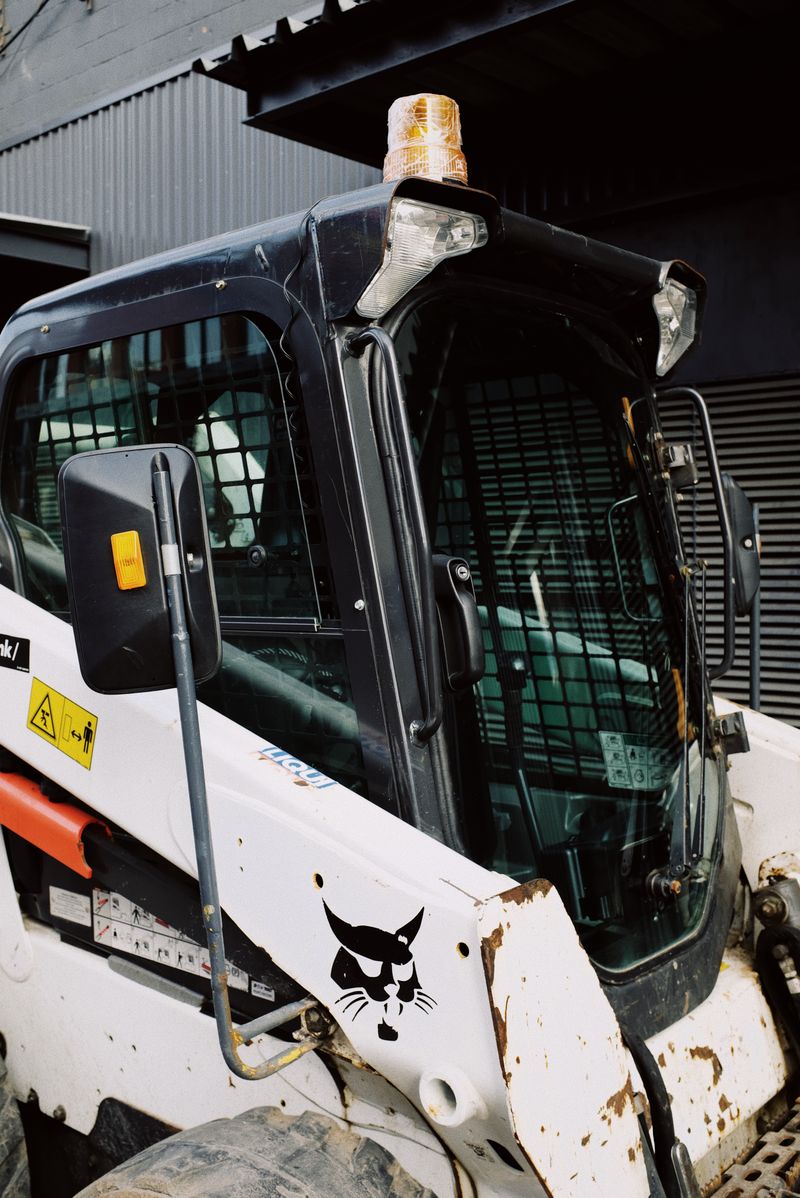
Excavators are serious capital investments. A new 20-ton machine runs $200,000–$400,000. A well-maintained machine can deliver 15,000–20,000 hours of productive service life. A neglected machine can fail catastrophically at 3,000 hours—costing a fraction of that in unplanned downtime, emergency repairs, and lost revenue.
The difference is almost always maintenance discipline.
This guide gives you a complete excavator maintenance schedule organized by hour intervals—from the daily 10-hour walkaround through the 5,000-hour major service. Use it as a master reference, and adapt it to the specific requirements in your machine’s operator and service manual, which always takes precedence.
Why Hour-Based Maintenance Matters
Excavators are rated in operating hours, not miles or years. An excavator working in a quarry 10 hours a day accumulates hours much faster than one used occasionally on a landscaping crew. A 3-year-old machine might have 500 hours or 8,000 hours—and those numbers represent very different maintenance realities.
Most manufacturers provide a service interval chart in the operator’s manual. This guide follows the industry-standard intervals used by CAT, Komatsu, Hitachi, Volvo, and John Deere for mid-size excavators (15–30 ton class). Compact and mining-class machines may have different intervals—always verify.
10-Hour / Daily Maintenance
This is your pre-shift inspection. It should be performed every single operating day regardless of how many hours are on the machine or how recently the last formal service was done.
Fluid Checks
- Engine oil: Check the dipstick with the machine on level ground and the engine off for at least 5 minutes. Add oil if below the operating range. Note: using the wrong oil viscosity in cold or hot conditions can damage the engine.
- Coolant: Check the overflow reservoir level (never open a hot radiator cap). If coolant is repeatedly low, investigate for leaks before the next shift.
- Hydraulic oil: Check at the sight glass or dipstick. Hydraulic oil consumption should be near zero—any measurable consumption indicates a leak that needs to be found.
- Fuel: Fill at the end of each shift rather than the beginning to minimize condensation buildup in the tank overnight.
- Windshield washer fluid: Minor, but important for visibility in dusty or muddy conditions.
Visual Inspection
- Walk the entire machine. Look underneath for fresh oil spots or puddles.
- Inspect all visible hydraulic hoses for leaks, chafing, or damage.
- Check the boom, arm, and bucket for cracks or physical damage.
- Inspect the bucket cutting edge and teeth—replace worn or missing teeth before they damage the bucket shell.
- Check all lights if the machine operates in low-light conditions.
Greasing (Daily Points)
Most excavators have grease points that require daily attention:
- Boom foot pins (where the boom attaches to the house)
- Boom cylinder pins (rod and cap end)
- Arm/stick pins (boom-to-arm connection, arm cylinder pins)
- Bucket pins and linkage
Use a high-quality EP (extreme pressure) grease rated for heavy equipment. Apply grease until fresh grease purges from the joint—this confirms the old, contaminated grease is being displaced.
Recommended Products:
- Multi-purpose EP grease in a standard 14-oz cartridge for hand grease guns
- Heavy-duty grease gun (1/8” NPT coupler, flex hose) for reaching difficult fittings
- Biodegradable grease for work near waterways (required in some jurisdictions)
50-Hour Maintenance
The 50-hour service is typically the first formal service interval for a new machine, and it’s repeated every 50 hours on some components.
Additional Grease Points (50-Hour)
Some machine designs have grease points on the swing bearing (house-to-undercarriage rotation), swing pinion gear, and travel gearbox breathers. Consult your machine’s lubrication guide.
Air Filter Pre-Cleaner
Inspect and clean the air filter pre-cleaner bowl or dust ejection valve if equipped. In dusty operating conditions (demolition, aggregate, dry soil), this may need attention more frequently.
Walk-Around with Fresh Eyes
The 50-hour interval is a good time to look carefully at:
- Track tension adjustment (check every 50 hours in abrasive or muddy conditions—tracks can stretch or accumulate material rapidly)
- Swing bearing hardware—check that all bolts are present and tight
- Cab door and window seals
250-Hour Maintenance
The 250-hour service is a substantive interval that catches several key consumable items.
Engine Oil and Filter Change
This is the most important single maintenance task on any diesel-powered excavator. The standard interval for most modern excavators running quality diesel engine oil (API CK-4 or FA-4 rated) is 250–500 hours, depending on the manufacturer, operating conditions, and oil analysis results.
Do not extend oil change intervals without an active oil sampling program. Used oil analysis from a lab (typically $20–$30 per sample) can tell you whether the oil is degrading prematurely, and catch early signs of coolant contamination, fuel dilution, or abnormal metal wear.
Recommended supplies:
- OEM or equivalent engine oil (check viscosity specification in your manual—common specs include 15W-40 for moderate climates, 5W-40 for cold conditions)
- OEM or quality aftermarket oil filter (Baldwin, Fleetguard, and WIX are widely used alternatives)
- Oil drain pan rated for your machine’s sump capacity (typically 5–10 gallons for mid-size excavators)
- Nitrile gloves and oil-absorbent rags
Fuel Filter
Replace the primary and secondary fuel filters at 250 hours or per manufacturer specification. Modern high-pressure common rail fuel systems are extremely sensitive to fuel contamination—plugged or degraded filters can allow microscopic particles to reach fuel injectors, causing thousands of dollars in damage.
Hydraulic Return Filter
The hydraulic return filter captures particulates from the hydraulic circuit before they return to the tank. Replace at 250–500 hours or when the filter restriction indicator activates.
Note: Always replace hydraulic filters with genuine OEM or equivalent quality filters. Hydraulic systems run at very high pressure (4,000+ PSI in many applications) and low-quality filters can collapse or bypass.
Pilot Filter (Hydraulic Control Circuit)
Many excavators have a separate, smaller pilot filter in the low-pressure control circuit. This filter is often overlooked. Check your machine’s hydraulic system diagram for its location and replace per the manual.
500-Hour Maintenance
Air Filter (Primary Element)
Replace the primary air filter element at 500 hours under normal conditions. In dusty environments (demolition, dirt quarry, dry climate), inspect monthly and replace more frequently. Never clean a paper filter with compressed air aimed at the outside of the element—this drives contaminants deeper into the media.
Swing Gearbox Oil
Check the swing gearbox oil level and inspect for contamination. The swing gearbox transmits rotation from the hydraulic swing motor to the swing pinion and ring gear. Most manufacturers specify an oil change at 500–1,000 hours.
Travel Gearbox Oil (Left and Right)
Same as the swing gearbox—check level and condition at 500 hours. Travel gearboxes are exposed to water and debris ingestion in wet operating conditions.
Battery Inspection
Check battery terminals for corrosion and clean with a battery terminal cleaner brush and anti-corrosion spray. Check electrolyte level on non-sealed batteries. Load test the battery if the machine is approaching 3–5 years old or is showing slow crank times.
Inspect and Adjust Track Tension
Verify track tension at 500 hours regardless of daily checks. Measure the sag at the top center of the track per your machine’s specification (typically 10–20mm of sag in the center span between the idler and the last carrier roller).
1,000-Hour Maintenance
Hydraulic Oil Analysis
At 1,000 hours, take a hydraulic oil sample for lab analysis. This tells you the condition of the oil (oxidation, contamination, viscosity breakdown) and can catch early signs of component wear through elevated metal particles.
Coolant Replacement (Verify Schedule)
Most modern excavators use extended-life coolant (ELC) rated for 3,000–6,000 hours or 5–6 years. At 1,000 hours, test the coolant with test strips or a refractometer for freeze point, pH, and inhibitor concentration. Degraded inhibitors allow corrosion inside the cooling system.
Engine Valve Clearance Check
Many diesel engines require valve clearance inspection at 1,000–2,000 hours. Out-of-spec valve clearances reduce engine efficiency and can lead to valve burning if clearances are too tight. This is typically a dealer or experienced mechanic task.
All Hydraulic Hoses and Fittings Inspection
At 1,000 hours, conduct a systematic inspection of every hydraulic hose—not just the visible lines. Look for external abrasion, end-fitting swaging integrity, and hose cover cracking. Hydraulic hoses have a service life recommendation of approximately 6 years or per-hours limits; replace proactively rather than waiting for failure.
Undercarriage Wear Measurement
Measure the wear on track links, rollers, idlers, and sprockets. Track undercarriage components wear gradually, and catching them at 20–30% wear allows you to forecast replacement costs. Catching them at 80% wear leaves you replacing everything at once in an emergency.
2,000-Hour Maintenance
Hydraulic Oil Replacement
Most manufacturers specify hydraulic oil replacement at 2,000–4,000 hours for machines running quality hydraulic fluid. Full fluid replacement (typically 40–100 gallons depending on machine size) should be accompanied by:
- New hydraulic return filter and pilot filter
- Inspection of all accessible strainers in the hydraulic tank
- Oil analysis of the drained fluid to understand what the system has been experiencing
Recommended products:
- OEM-specified hydraulic fluid (ISO VG 46 anti-wear hydraulic oil is common; verify your machine’s specification)
- High-capacity fluid transfer pump for tank draining and filling
- Chemical-resistant funnel and fill equipment
Swing Bearing Inspection
At 2,000 hours, conduct a thorough inspection of the swing bearing, including checking for play (radial and axial), inspecting the gear teeth for wear patterns, and verifying that the grease purge from daily greasing has been effective.
Engine Air Intake System
Inspect the full air intake path from the pre-cleaner to the intake manifold. Check all couplings and clamps for tightness. Air leaks between the air filter and turbocharger allow unfiltered air (and abrasive particles) directly into the engine.
5,000-Hour Maintenance
At 5,000 hours, you’re approaching a major service milestone. This is typically when manufacturers recommend or require significant component inspection or replacement.
Coolant System Flush and Replacement
Even extended-life coolant should be replaced by 5,000 hours. Flush the entire system, inspect the water pump, thermostat, and hose connections, and refill with fresh ELC.
Major Hydraulic Component Inspection
Have a qualified hydraulic technician perform a system flow and pressure test to verify the main pump(s), control valves, and swing motor are performing within specification. Hydraulic pump efficiency degrades gradually—catching a pump at 15% efficiency loss allows planned replacement; waiting for catastrophic failure means emergency downtime.
Engine Performance Evaluation
Compression test, fuel system diagnostics, and a review of the machine’s Electronic Control Module (ECM) fault code history. Modern excavators log hundreds of operating parameters—an experienced technician can identify trends toward failure before they result in breakdown.
Undercarriage Replacement Planning
By 5,000 hours on most machines in abrasive conditions, undercarriage components (track links, rollers, idlers) are approaching end of service life. Get a formal undercarriage wear report and budget for replacement in the next 1,000–2,000 hours.
Maintenance Checklist Summary
| Interval | Key Tasks |
|---|---|
| 10-hour (daily) | Fluid checks, visual inspection, grease all pins |
| 50-hour | Pre-cleaner, track tension check, grease swing bearing |
| 250-hour | Engine oil & filter, fuel filters, hydraulic return filter |
| 500-hour | Air filter, swing/travel gearbox oil check, battery |
| 1,000-hour | Hydraulic oil sample, coolant test, valve check, hose inspection |
| 2,000-hour | Hydraulic oil replacement, swing bearing inspection |
| 5,000-hour | Major hydraulic test, coolant flush, engine eval, undercarriage report |
Setting Up Your Maintenance Program
Hour Meter Tracking
Track your machine’s hours with a dedicated log. Most modern excavators have telematics systems (CAT Product Link, Komatsu KOMTRAX, Volvo CareTrack) that can automatically alert you when service is due. If your machine doesn’t have telematics, use a simple spreadsheet or a fleet management app.
Oil Analysis Program
A used oil analysis program from a lab like Polaris Laboratories or Blackstone Labs transforms reactive maintenance into proactive maintenance. Each sample costs $20–$35 and can prevent a $5,000–$50,000 component failure by catching problems in the oil before they manifest as mechanical failures.
Parts Stocking
For machines in active use, stock the following on-site:
- At least one spare set of engine, fuel, and hydraulic filters
- Several tubes of the correct grease
- A gallon of engine oil
- Hydraulic hose repair fittings (common sizes for your machine)
Final Thoughts
The machines that last 15,000+ hours aren’t the ones that were built better—they’re the ones that were maintained consistently. Daily greasing, on-schedule filter changes, and proactive fluid analysis separate the fleets that keep machines for 12 years from the ones that trade them at 4,000 hours out of frustration.
Build your maintenance schedule into your operations calendar before the machine arrives on site. The 10-minute daily inspection and monthly 250-hour service are the foundation. Everything above that is the structure that protects your investment for the long haul.

Ironworks Insider Editorial Team
Independent trade-focused editorial team