How to Perform a Pre-Operation Inspection on Heavy Equipment
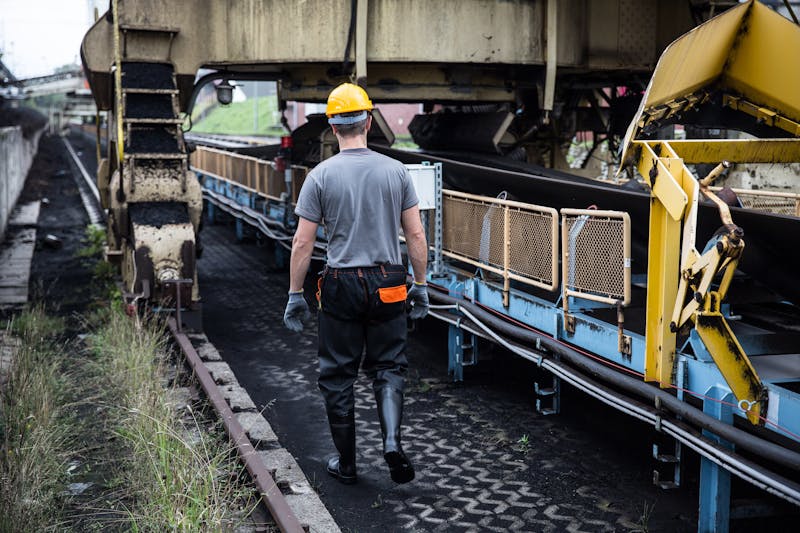
A thorough pre-operation inspection is the single most important thing you can do to prevent equipment failures, workplace injuries, and costly downtime. Whether you’re operating an excavator, bulldozer, crane, or loader, a systematic walk-around check takes 10 to 15 minutes and can save thousands of dollars — and potentially lives.
This guide covers a comprehensive pre-operation inspection routine based on manufacturer recommendations and OSHA requirements (29 CFR 1926.600).
Quick Answer: What Must Be Checked Before Start-Up?
A complete pre-operation inspection should cover leaks, structural damage, fluids, belts and hoses, tires or tracks, safety systems, controls, alarms, and documentation before the machine starts productive work. If the inspection finds a condition that affects steering, braking, hydraulics, warning systems, rollover protection, or stability, tag the machine out until a qualified person clears it.
Do not treat the checklist as paperwork after the fact. The value comes from finding the defect while the machine is still parked.
Why Pre-Operation Inspections Matter
Heavy equipment operates under extreme stress. Hydraulic systems pressurise to thousands of PSI. Diesel engines generate massive torque. Tracks and tyres carry tens of tons. Small problems — a cracked hose, a loose track bolt, a low fluid level — escalate quickly into catastrophic failures if left unchecked.
Beyond safety, pre-operation inspections:
- Extend equipment life by catching wear early
- Reduce repair costs — a $20 hose replaced during inspection prevents a $2,000 hydraulic system failure
- Keep you OSHA-compliant — documentation of regular inspections is required on most job sites
- Protect warranty coverage — manufacturers require documented maintenance
Step 1: Visual Walk-Around
Before starting the engine, walk a full 360-degree circle around the machine. Look for:
- Fluid leaks on the ground or on the machine itself — oil, hydraulic fluid, coolant, or fuel
- Structural damage — cracks in the frame, boom, stick, or bucket
- Loose or missing bolts — especially on track shoes, bucket teeth, and guard assemblies
- Debris accumulation — mud, rocks, or material packed around moving parts
- Tyre or track condition — check for cuts, embedded objects, uneven wear, or loose track tension
Step 2: Fluid Levels
Check all fluid levels with the machine on level ground:
- Engine oil — pull the dipstick, wipe, reinsert, and check. Oil should be between the marks and free of metal particles or a milky appearance (which indicates coolant contamination)
- Coolant — check the expansion tank level. Never open a hot radiator cap
- Hydraulic fluid — check the sight glass or dipstick. Low hydraulic fluid causes erratic operation and pump damage
- Fuel — verify you have enough fuel for the shift. Water in the fuel bowl indicates a drainage is needed
- Diesel exhaust fluid (DEF) — if equipped, verify DEF level to avoid engine derate
Step 3: Belts, Hoses, and Filters
Inspect the engine compartment:
- Drive belts — check for proper tension and signs of cracking, glazing, or fraying
- Hydraulic hoses — look for bulging, abrasion, cracking, or leaking at fittings. A burst hydraulic hose under pressure is extremely dangerous
- Air filter — check the restriction indicator. A clogged filter reduces engine power and increases fuel consumption
- Wiring harnesses — look for chafed or disconnected wires, especially near moving parts
Step 4: Safety Systems
Verify that all safety systems are functional:
- Seat belt — check for fraying and proper latch engagement
- Horn — test the horn from the operator’s seat
- Lights — verify headlights, work lights, tail lights, and turn signals all function
- Backup alarm — shift into reverse and confirm the alarm sounds
- Fire extinguisher — verify it’s present, charged, and within inspection date
- ROPS/FOPS — check the roll-over and falling-object protective structure for damage or cracks
- Guards and shields — ensure all PTO guards, chain guards, and access panel shields are in place
Step 5: Controls and Gauges
Start the engine and let it idle for warm-up. While idling:
- Instrument panel — verify all warning lights illuminate at key-on, then extinguish after start. Note any that remain lit
- Gauges — watch oil pressure come up, temperature begin to rise normally, and battery charging
- Joystick/lever operation — slowly cycle all hydraulic functions through their full range. Feel for binding, hesitation, or unusual noise
- Steering — check full left-to-right steering response
- Brakes — test service brakes and parking brake for proper hold
Step 6: Track or Tyre Inspection (Machine-Specific)
For tracked machines (excavators, dozers, track loaders):
- Track tension — sag should match manufacturer spec (typically 1 to 2 inches of droop between rollers)
- Track pads/shoes — check for loose bolts, cracked pads, or excessive grouser wear
- Rollers and idlers — look for oil leakage from sealed rollers
- Sprockets — inspect teeth for hooking or excessive wear
For wheeled machines (loaders, graders, haul trucks):
- Tyre pressure — check with a gauge; do not rely on visual inspection alone
- Tyre condition — look for cuts, bulges, embedded objects, and tread depth
- Lug nuts — verify all lug nuts are present and torqued
Step 7: Documentation
Complete a pre-operation inspection report. Most companies provide a checklist form. At minimum, document:
- Date, time, and machine serial number or unit number
- Operator name
- Hours on the hour meter
- All items checked and their condition
- Any deficiencies found
- Whether the machine was placed out of service
OSHA requires that equipment found to be unsafe be locked out or tagged out until repairs are made. Never operate equipment with known safety defects.
Common Issues Found During Inspections
| Issue | Severity | Action |
|---|---|---|
| Low hydraulic fluid | High | Top off immediately; investigate leak |
| Cracked hydraulic hose | Critical | Replace before operating |
| Worn bucket teeth | Medium | Schedule replacement |
| Dim work lights | Low | Replace bulb at next maintenance |
| Non-functional backup alarm | High | Replace before operating |
| Coolant leak | High | Repair before operating; monitor temperature |
No-Go Conditions
Some findings should take the machine out of service immediately:
- Hydraulic hose bulges, exposed reinforcement, or active high-pressure leaks
- Brake, steering, horn, seat belt, or backup alarm failure
- Missing guards, mirrors, or safety decals required for the job
- Track, tire, or wheel damage that could fail under load
- Fuel, coolant, or oil leaks near hot surfaces
- Any warning light tied to engine oil pressure, hydraulic pressure, or overheating
OSHA trenching and excavation materials repeatedly emphasize competent-person inspections and keeping equipment away from unstable edges. A pre-op inspection should therefore include the machine and the work area: ground conditions, overhead utilities, trench edges, traffic, and pedestrian routes.
Documentation That Actually Helps
Record the machine ID, hour meter, date, operator, defects found, and whether the machine was released or tagged out. Photos are useful for leaks, tire cuts, damaged guards, and cracked hoses because they show whether a condition is worsening over time. If a defect is serious enough to mention, it is serious enough to assign an owner and due date.
Building a Daily Habit
The best operators make pre-operation inspection a non-negotiable part of their routine. It’s not bureaucratic overhead — it’s professional discipline. The operators who take 15 minutes at the start of every shift are the ones who avoid mid-day breakdowns, stay safe, and keep their machines running for 10,000+ hours.
Keep a laminated checklist in the cab. Set a phone timer for 10 minutes. Your future self — and everyone working around you — will thank you.
For more heavy equipment maintenance guides and operational best practices, browse our articles page.
Related Maintenance Guides
- Diesel Engine Maintenance Guide supports the engine checks in the pre-op routine.
- Hydraulic System Maintenance goes deeper on hoses, cylinders, contamination, and fluid condition.
- Heavy Equipment Fluids Guide explains what goes where and when to sample or change it.
- Heavy Equipment Battery Maintenance helps prevent no-start conditions during daily checks.
- Undercarriage Maintenance for Tracked Equipment expands the track inspection portion of the checklist.
Turn inspection notes into maintenance action
Use these maintenance guides and the printable inspection log to keep pre-operation checks tied to follow-up repairs.
- Diesel engine maintenance
Connect daily fluid and startup checks to engine-maintenance intervals.
- Hydraulic system maintenance
Document leaks, hose wear, cylinder drift, and contamination clues.
- Heavy equipment fluids guide
Track what goes where and when before topping off the wrong fluid.
- Battery maintenance
Record weak starts, corrosion, and charging symptoms during checks.
- Tracked undercarriage maintenance
Add track, roller, and wear observations to daily inspection routines.
- Heavy equipment inspection log
Use the printable log for daily walkarounds, operator notes, and follow-up items.

Ironworks Insider Editorial Team
Independent trade-focused editorial team