Track Loader Buying Guide: New vs. Used and What to Look For
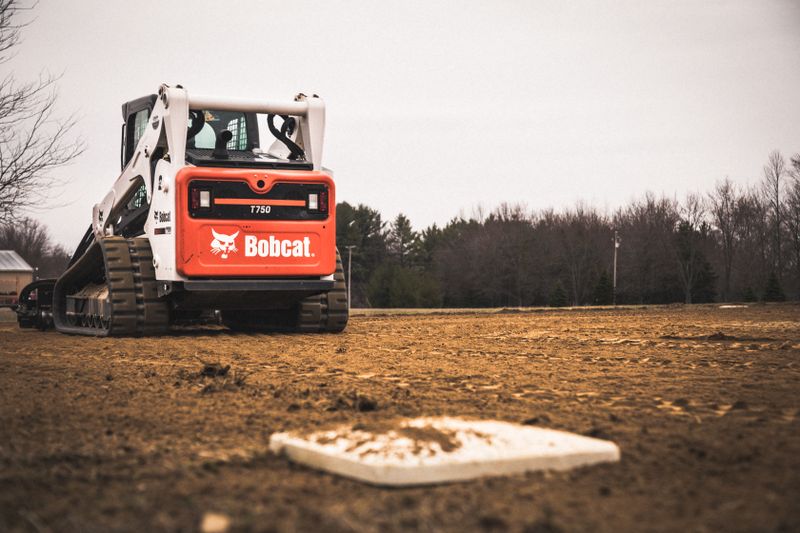
Buying a track loader is a serious capital commitment. A new compact track loader (CTL) starts around $55,000 and climbs past $110,000 for a high-flow, large-frame model. A used machine can cut that cost in half — or set you up for an expensive repair bill within the first year. The difference is knowing what to look for.
This track loader buying guide walks through everything that matters: understanding key performance specifications, weighing the new versus used trade-off, performing a thorough pre-purchase inspection, evaluating the major brands, and calculating true total cost of ownership. By the end, you’ll have the knowledge to buy confidently — or walk away from a bad deal.
Understanding Key Track Loader Specifications
Before you look at a single machine, you need to understand what the spec sheet is telling you. These are the numbers that determine whether a track loader is right for your work.
Rated Operating Capacity (ROC)
Rated Operating Capacity is the most important spec for day-to-day productivity. It represents the maximum load (in pounds) the machine can carry in its bucket at a specified tipping point — typically 35% or 50% of the full static tipping load, depending on the standard used.
- 35% ROC standard (SAE J818 legacy): Used by many manufacturers for decades. Produces a lower, more conservative number.
- 50% ROC standard (ISO/SAE J818 updated): More common now. Produces a higher number — sometimes misleadingly so.
Always check which standard applies. A machine advertised at 3,500 lbs ROC under the 50% standard may only carry 2,450 lbs under the 35% standard — a significant difference.
General ROC categories:
- Compact CTLs: 1,500–2,200 lbs
- Mid-size CTLs: 2,200–3,200 lbs
- Large CTLs: 3,200–4,500 lbs
- Full-size crawler loaders: 5,000–20,000+ lbs
Static Tipping Load (STL)
Static Tipping Load is the load at which the machine begins to tip forward with the lift arm fully raised. ROC is calculated as a percentage of STL. A higher STL means more safety margin when operating near capacity.
Engine Horsepower
Horsepower determines how quickly the machine moves material, drives through resistance, and powers hydraulic attachments. More HP also means higher fuel consumption.
- Compact CTLs: 65–100 HP
- Large CTLs: 100–130 HP
- Crawler loaders: 100–300+ HP
Don’t buy more HP than your work actually requires — you’ll pay for unused capacity in fuel costs and purchase price.
Hydraulic Flow (Auxiliary Flow)
Auxiliary hydraulic flow (measured in gallons per minute, GPM) powers attachments. This spec is critical if you plan to run high-demand tools.
- Standard flow: 15–25 GPM — sufficient for basic attachments (buckets, forks, grapples)
- High flow: 30–45+ GPM — required for mulchers, cold planers, hydraulic hammers, and large augers
A machine with only standard flow cannot effectively run a forestry mulcher or cold planer regardless of its HP. If attachments are central to your business model, verify GPM and system pressure (PSI) before buying.
Operating Weight
Operating weight affects ground pressure (pounds per square inch on the tracks), stability, trailering requirements, and transport permits. Heavier machines generally offer more stability and pushing force but require heavier trailers and may need overweight permits.
Lift Arm Geometry: Radial vs. Vertical Path
- Radial lift arm: The bucket follows an arc when raised. Peak reach occurs at mid-height — good for floor/ground-level work and dumping into hoppers at mid-height.
- Vertical lift arm: The bucket travels nearly straight up. Better for loading tall truck beds and maintaining reach at full height.
Choose based on your most common loading scenario.
New vs. Used: The Real Trade-Off
Arguments for Buying New
Warranty coverage is the primary advantage of a new machine. A full manufacturer’s warranty (typically 12–24 months or 1,000–2,000 hours) eliminates the risk of major repair bills during the break-in period. For a business where machine downtime costs $500–$1,500 per day in lost productivity, that matters.
Other new machine advantages:
- Latest technology features (telematics, cab comfort, attachment control)
- No deferred maintenance or undisclosed wear
- Manufacturer financing programs with low introductory rates
- Resale value remains stronger for the first few years
- Undercarriage is at zero hours — the most expensive wear component starts fresh
Arguments for Buying Used
The obvious argument: price. A 3-year-old, 2,000-hour CTL from a reputable brand typically sells for 50–65% of its new price. The depreciation has already occurred on someone else’s watch.
Used machines make financial sense when:
- Cash flow is constrained
- The machine supplements an existing fleet rather than replacing a primary unit
- You have in-house mechanical capability to handle repairs
- The machine is going into a low-intensity application (landscaping, light site work)
Age and Hour Thresholds
These are general industry benchmarks — not hard rules, but good starting points:
| Machine Class | Low Risk | Caution Zone | High Risk |
|---|---|---|---|
| Compact CTL | Under 1,500 hrs | 1,500–3,500 hrs | Over 3,500 hrs |
| Large CTL | Under 2,000 hrs | 2,000–4,000 hrs | Over 4,000 hrs |
| Crawler Loader | Under 3,000 hrs | 3,000–6,000 hrs | Over 6,000 hrs |
Hours alone don’t tell the full story. A 2,000-hour machine used exclusively in sand and gravel will have more undercarriage wear than a 4,000-hour machine used on finished sites. Always evaluate the condition of specific components, not just hours.
Pre-Purchase Inspection Checklist
Never buy a used track loader without a thorough pre-purchase inspection. Ideally, have the machine inspected by an independent dealer or mechanic before committing. At minimum, walk through this checklist yourself.
Undercarriage Inspection
The undercarriage represents 20–40% of the machine’s total value and is the most expensive system to rebuild. Inspect:
- Track tension: Proper sag is critical. Over-tight tracks accelerate wear on sprockets and idlers. Loose tracks can derail. Check against spec.
- Track pads: Look for cracks, missing lugs, broken shoes. On steel tracks, measure grouser height against minimum specs. On rubber tracks, check for delamination and belt cord exposure.
- Rollers (top and bottom): Spin each roller by hand. Feel for roughness indicating bearing wear. Look for oil leakage around roller seals.
- Idlers (front): Check for wobble and seal leaks. Measure idler width against specification — worn idlers cause uneven track wear.
- Sprockets: Check sprocket tooth wear. Worn sprockets have hooked or pointed teeth instead of rounded profiles. Replace sprockets with tracks for best results.
- Track frame: Look for cracks and weld repairs, especially at high-stress areas around roller attachment points.
Undercarriage wear over 50% = budget for near-term replacement. Request written parts and labor pricing from the dealer before finalizing your offer price.
Hydraulic System Inspection
- Operate all hydraulic functions: Raise and lower lift arm through full cycle. Check for hesitation, jerking, or drift when held in a raised position (indicates control valve wear or cylinder seal leaks).
- Check hydraulic fluid: Pull the dipstick and inspect color. Milky fluid indicates water contamination. Dark, burnt-smelling fluid suggests overheating history.
- Inspect hoses and fittings: Look for chafing, cracking, and weeping fittings around the lift arm, tilt cylinders, and auxiliary circuit.
- Test auxiliary circuit: Connect an attachment and verify flow and pressure.
Engine Inspection
- Cold start: Start the engine from cold and observe startup behavior. Excess blue smoke (burning oil) or white smoke (coolant) on startup are warning signs.
- Oil condition: Pull the dipstick. Oil should be dark but not gritty. Milky oil indicates coolant intrusion — a serious problem.
- Coolant: Check reservoir level and condition. Brown or rusty coolant suggests deferred maintenance.
- Air filter: A heavily loaded filter indicates an engine working harder than necessary.
- Exhaust color during operation: Light gray to clear is normal. Black smoke under load suggests fuel system or air intake issues.
Cab and Controls Inspection
- All controls functional: Test every lever, joystick, foot pedal, and switch.
- Seat and restraint bar: Check condition and locking mechanism.
- HVAC: Test heat and air conditioning.
- Telematics display: Review hour meter, fault codes (if accessible), and service records stored in the system.
- Glass and mirrors: Cracks in the cab glass are a safety concern and replacement is expensive.
Frame and Structure
- Look for cracks and weld repairs at high-stress points: lift arm pivot points, quick coupler mount, and chassis corners.
- Lift arm pins and bushings: Check for slop by trying to shake the arm laterally. Excessive play indicates worn pins that need replacement.
- Quick coupler: Verify locking mechanism engages and releases correctly. A faulty coupler is a dropped-load safety hazard.
Top Brands: Strengths and Considerations
Caterpillar (CAT)
CAT CTLs are known for dealer support infrastructure, strong resale values, and premium cab comfort. The CAT 299 and 289 series are industry-reference machines. CAT’s telematics platform (Product Link) and dealer network make ownership easier for fleet operators. Typically priced at a premium.
John Deere
John Deere’s 333G, 331G and smaller models offer excellent operator visibility, smooth controls, and strong JDLink telematics integration. Deere’s color-coded boom indicators and intelligent boom control are operator-friendly features. Competitive pricing versus CAT with comparable dealer presence in agricultural regions.
Bobcat
Bobcat invented the skid steer and has deep experience in compact track loader design. The T770 and T595 are popular mid-size platforms. Bobcat machines are known for tight turning radius and good visibility. Historically favored by landscape contractors. Dealer network is strong; some operators note lower resale compared to CAT or Deere.
Case Construction
Case CTLs — particularly the TR340 and TV380 — offer competitive specs and a strong ProCare warranty program. Case has improved cab ergonomics significantly in recent generations. Good value proposition, especially in the used market.
Takeuchi
Takeuchi is respected for reliability and build quality, particularly in the compact class. Their machines are popular with rental fleets, which means good used availability. Less dealer coverage than the major brands in some regions.
Financing Considerations
Dealer Financing vs. Independent Lenders
OEM dealers (CAT Financial, John Deere Financial, Case Financial) frequently offer promotional rates — 0% for 12–36 months on new machines is common during slow seasons. These deals can be extremely valuable for cash flow management.
For used machines or purchases through auctions, SBA 7(a) loans, equipment financing companies (National Western, Balboa Capital), and commercial bank lines of credit are the primary options. Expect rates of 6–12% depending on credit profile and loan term in the current market.
Lease vs. Buy
Operating leases keep monthly payments low and allow machine upgrades every 3–5 years. The trade-off is no equity buildup and potential mileage/hour penalties at lease end. Ownership through purchase builds equity and eliminates lease restrictions, but ties up capital.
For machines that will run 1,200+ hours per year as a primary revenue-generating asset, purchasing typically wins over leasing on a 5-year horizon.
Total Cost of Ownership
Purchase price is only one component of what a track loader actually costs. Build a TCO model before buying:
| Cost Category | Annual Estimate (1,200 hrs/yr CTL) |
|---|---|
| Depreciation (purchase price / useful life) | $8,000–$18,000 |
| Fuel (5–7 GPH x fuel cost x hours) | $7,200–$12,600 |
| Undercarriage wear | $6,000–$18,000 |
| Preventive maintenance | $3,000–$6,000 |
| Repairs (age/condition dependent) | $2,000–$15,000+ |
| Insurance | $1,200–$3,500 |
| Financing/interest | $3,000–$8,000 |
| Total | $30,400–$81,100 |
On a productive 1,200-hour year, that translates to roughly $25–$68 per operating hour — before labor. Knowing your actual cost per hour is essential for accurate job bidding.
Recommended Tools and Accessories for CTL Owners
- OBD/telematics adapter compatible with major brands — for independent hour and fault code tracking
- Hydraulic pressure test kit — essential for diagnosing hydraulic system issues
- Track tension gauge / track sag measuring tool — for maintaining proper rubber track tension
- Bucket teeth and adapter set — keep a spare set for GP bucket wear parts
- Battery-powered grease gun — makes daily greasing faster and more consistent
- Mechanic’s inspection mirror and flashlight — for thorough pre-purchase inspections under tight spaces
Bottom Line
The best track loader purchase is an informed one. Know your rated operating capacity needs, confirm hydraulic flow supports your attachment plans, and never skip the undercarriage inspection on a used machine — it’s the most expensive repair you’ll face.
New machines offer peace of mind and the latest features. Used machines offer value — with risk that due diligence can manage. Whichever direction you go, build out your total cost of ownership numbers before signing so you’re bidding jobs with accurate cost data from day one.

Ironworks Insider Editorial Team
Independent trade-focused editorial team