Excavator Sizes Explained: Mini, Midi, and Large
Quick answer
Excavator size should be chosen from the digging depth, reach, lift needs, access width, ground pressure, transport limits, and attachment plan. Oversizing can create transport and site-damage problems; undersizing slows production and increases risk.
Common questions
- What is the most important excavator sizing question?
- Start with the required dig depth, reach, and lift radius. Then check whether the machine can access the site and be transported legally and economically.
- When is a mini excavator the better choice?
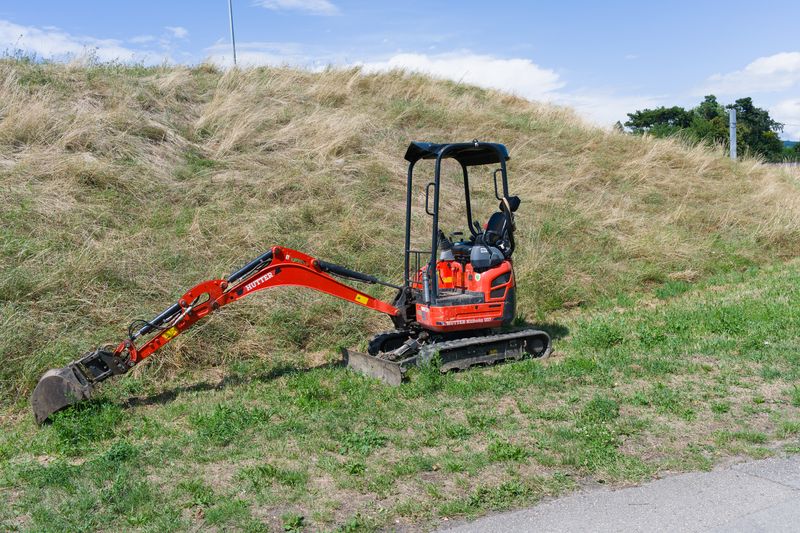
- Mini excavators fit tight sites, landscaping work, utility trenches, and residential access better than full-size machines. They are not ideal for deep, high-production excavation or heavy lifting.
Source note: Reviewed July 2026 against the article guidance and common heavy-equipment practice; manufacturer manuals, site plans, OSHA rules, and competent-person direction control field work.
Choosing the right excavator size is one of the most consequential decisions on any project. Too small and you’re fighting the machine all day. Too large and you’re paying for capacity you’ll never use—while squeezing a 40-ton machine through a gate that barely fits your truck.
This guide breaks down every major excavator size class, gives you a clear comparison table, and walks through the rental vs. ownership math for each tier. Whether you’re a homeowner tackling a drainage project or a fleet manager spec’ing equipment for a large earthworks contract, this is your decision framework.
Why Excavator Size Matters
Operating weight is the most common way to classify excavators, and for good reason—it’s a reliable proxy for digging force, reach, lift capacity, and transport requirements. A heavier machine generally means a bigger engine, longer boom, deeper dig depth, and more hydraulic horsepower.
But weight alone doesn’t tell the whole story. Tail swing, track width, ground pressure, and attachment compatibility all vary dramatically within a size class. Understanding these factors helps you match the machine to the site, not just the task.
Excavator Size Classes at a Glance
| Size Class | Operating Weight | Max Dig Depth | Max Reach | Common Use Cases |
|---|---|---|---|---|
| Mini | Under 6 tons | 8–12 ft | 13–18 ft | Landscaping, residential, tight spaces |
| Midi | 6–10 tons | 12–16 ft | 18–24 ft | Utility work, light demo, mid-size grading |
| Standard | 10–45 tons | 16–26 ft | 22–36 ft | Road construction, site prep, commercial |
| Large/Mining | 45–100+ tons | 30–50+ ft | 40–60+ ft | Mining, large dam/infrastructure projects |
Mini Excavators (Under 6 Tons)
Mini excavators—sometimes called compact excavators—have become the workhorses of the landscaping and residential construction trades. Their compact footprint lets them fit through standard gate openings, operate inside buildings, and work in backyards without destroying the lawn.
Key Specs
- Operating weight: 1–6 tons (2,000–13,000 lbs)
- Engine power: 10–50 hp
- Max dig depth: 6–12 feet (varies significantly by model)
- Bucket capacity: 0.01–0.10 cubic yards
- Transport: Most models fit on a standard single-axle trailer; no CDL required
Best Use Cases
- Landscaping: Digging pond features, grading small areas, installing drainage
- Residential construction: Footings, trenching for utilities, basement excavation in tight lots
- Indoor demolition: Rubber track models can work inside structures
- Tree removal: Paired with an auger or thumb attachment
- Fence/post installation: Auger attachment makes quick work of post holes
Pros and Cons
Pros:
- Low transport costs (standard pickup and trailer)
- Minimal site damage due to low ground pressure
- Easy to operate for beginners
- Lower rental rates ($250–$450/day typical)
- Wide attachment availability
Cons:
- Limited dig depth and reach
- Slower cycle times on large volumes of material
- Less effective in rocky or hard-packed soil without a breaker
- Less stable on slopes compared to larger machines
Rental vs. Ownership for Minis
If you use a mini excavator fewer than 40–60 hours per year, rental almost always beats ownership when you factor in maintenance, storage, insurance, and depreciation. At 80+ hours annually, ownership starts to pencil out—especially if you can haul the machine yourself.
For landscapers and utility contractors using a mini daily, purchasing makes strong financial sense. Popular models like the Kubota U35, John Deere 35G, and Bobcat E35 hold resale value well.
Recommended Safety Gear for Mini Excavator Work:
- Hard hat — ANSI Z89.1-rated, full-brim preferred for outdoor work
- High-visibility vest — Class 2 minimum on any active job site
- Steel-toed boots — ASTM F2413 rated
- Cut-resistant gloves — For attachment changes and ground-level work
Midi Excavators (6–10 Tons)
The midi class often gets overlooked, but it fills a critical gap between compact machines and full-size excavators. Midi excavators deliver meaningfully more power and dig depth than minis while remaining transportable on a standard lowboy trailer—no oversize permit required in most states.
Key Specs
- Operating weight: 6–10 tons (12,000–22,000 lbs)
- Engine power: 50–75 hp
- Max dig depth: 12–16 feet
- Bucket capacity: 0.10–0.25 cubic yards
- Transport: Standard lowboy trailer; check local axle weight limits
Best Use Cases
- Municipal utility work: Water main and sewer line installation at depths requiring 12–15 feet
- Light commercial grading: Parking lots, small commercial pads
- Demolition: Single-story structures, concrete removal
- Agricultural: Large pond construction, land clearing
- Road work: Ditching, culvert installation, minor road prep
Pros and Cons
Pros:
- Substantially more digging power than mini class
- Still transportable without oversize permits (in most jurisdictions)
- Reduced swing radius models available for confined sites
- Good balance of productivity and operating cost
Cons:
- Costs more to rent and operate than minis
- Heavier, requires a proper lowboy trailer setup
- Less common in rental fleets—availability can be limited
Rental vs. Ownership for Midis
Midi machines are often the sweet spot for owner-operators and small excavation contractors. A well-maintained 8-ton excavator can handle 90% of residential and light commercial work. Expect to pay $55,000–$120,000 new and $30,000–$65,000 used.
Rental rates run $600–$900/day. At that rate, a machine used 100 days per year has $60,000–$90,000 in annual rental expense—making ownership economics compelling within 2–3 years of consistent use.
Standard/Large Excavators (10–45 Tons)
This is the category most people picture when they think “excavator.” Standard excavators from 10 to 45 tons cover the vast majority of commercial construction, infrastructure, and earthworks projects. They’re built for productivity—fast cycle times, high bucket capacities, and the power to move serious material all day.
Key Specs
- Operating weight: 10–45 tons
- Engine power: 75–350+ hp
- Max dig depth: 16–26 feet
- Bucket capacity: 0.25–1.5+ cubic yards
- Transport: Requires lowboy trailer; oversize permits typically required above 25 tons
Best Use Cases
- Commercial site preparation: Clearing, stripping, rough grading
- Road and highway construction: Cut-and-fill operations, bridge foundations
- Pipeline installation: Large-diameter water, gas, and sewer lines
- Demolition: Multi-story structures with appropriate attachments
- Rock breaking: Hydraulic hammer applications on larger rock formations
The 20-Ton Sweet Spot
Within this class, the 20-ton range (CAT 320, Komatsu PC210, John Deere 210G) represents the industry workhorse. These machines offer excellent reach and dig depth, broad attachment compatibility, and the lowest total cost of ownership relative to productivity across a wide range of applications. Rental rates for 20-ton machines run $1,200–$1,800/day.
Rental vs. Ownership for Standard Excavators
Large excavators represent significant capital investment—$150,000 to $500,000+ new. Ownership makes sense for contractors with steady, predictable workloads and the infrastructure to support maintenance. For project-based contractors or those in markets with variable workloads, renting or leasing helps preserve capital and flex with demand.
Recommended Attachments to Stock:
- Ditching/grading bucket — Essential for finish grade work
- Rock bucket — Heavier wear steel for abrasive conditions
- Hydraulic thumb — Dramatically expands material handling capability
- Quick coupler — Makes attachment changes safe and fast
Mining/Mass Excavation Machines (45+ Tons)
Above 45 tons, excavators enter a specialized category used almost exclusively in mining, large infrastructure, and major earthworks projects. These machines require dedicated transport logistics, specialized operators, and substantial support infrastructure.
Key Specs
- Operating weight: 45–800+ tons (ultra-class mining shovels)
- Engine power: 350–5,000+ hp
- Max dig depth: 30–50+ feet
- Bucket capacity: 2–100+ cubic yards
- Transport: Disassembly and piece-by-piece transport; specialized rigging required
Notable Applications
- Open-pit mining: Coal, copper, iron ore extraction
- Large dam construction: Mass earthwork, material handling
- Port dredging: Oversized clamshell and dragline configurations
- Quarry operations: Loading haul trucks in high-tonnage cycles
For most readers, purchasing or renting in this category happens through direct manufacturer relationships and specialized heavy equipment dealers—not general rental houses. Day rates can exceed $15,000–$25,000 for large mining excavators.
Choosing the Right Size: A Decision Framework
Ask yourself these four questions before spec’ing a machine:
-
What is the maximum required dig depth? This is often the limiting factor. If you need 18 feet of depth regularly, a mini is off the table regardless of other factors.
-
What are the site access constraints? Gate widths, overhead clearances, soft ground conditions, and interior work requirements may force you into a smaller class even if a larger machine would be more productive.
-
What is the daily volume of material to move? If you’re moving 500+ cubic yards per day, a mini excavator will leave you working overtime. Match the bucket size and cycle time to your daily production target.
-
What is the transport situation? Do you own a trailer? What’s your tow vehicle rated for? Oversize permits add cost and lead time. If you’re renting, does the rental company deliver?
Attachments and Safety Gear by Size Class
Recommended Attachments
No matter what size excavator you’re running, having the right attachments multiplies the machine’s usefulness. Key attachments to consider:
- Hydraulic thumb — Works with mini through large class machines; invaluable for clearing, demo, and rock work
- Auger drive — Available in mini through standard class; bolt-on productivity for post holes and tree planting
- Compactor plate — Trench compaction without a separate machine
- Hydraulic breaker/hammer — For rock, concrete, and hard pan; available in sizes matched to each excavator class
Essential PPE for Any Size Machine
- ANSI-rated hard hat — Protects against falling debris during demo and clearing work
- Safety glasses or goggles — Flying rock and debris are constant hazards
- High-visibility vest — Non-negotiable on any shared job site
- Steel-toed, puncture-resistant boots — ASTM F2413-rated footwear
- Cut-resistant work gloves — For attachment changes and rigging
Final Thoughts
There’s no single “best” excavator size—there’s only the right size for your specific project, site conditions, and budget. Mini excavators have opened up markets that used to require hand digging or oversized equipment. Midi machines offer a powerful middle ground for utility contractors. Standard 20-ton excavators remain the backbone of commercial construction. And mining-class machines do work that nothing else can touch.
Understanding these size classes puts you in a position to make smarter rental decisions, negotiate better on equipment purchases, and spec the right tool before you mobilize to a job site. Time spent on the decision framework before the machine arrives is always time well spent.

Ironworks Insider Editorial Team
Independent trade-focused editorial team